
Search
Eczema often precedes the development of asthma in a disease course called the 'atopic march'.
Previous analyses of family data from the Tasmanian Longitudinal Health Study provide evidence that this phenotype has a stronger genetic cause than asthma...
The epidemic increase in the prevalence of allergic disease, which first started in the industrialized countries in the 1960s, may have reached a peak in the...
There is evidence to suggest an association between prenatal maternal stress and the development of asthma or other atopic diseases in offspring.
Population-based birth cohorts on asthma and allergies increasingly provide new insights into the development and natural history of the diseases.
Mannitol challenge tests are used clinically to diagnose asthma and, in particular, exercise-induced broncoconstriction (EIB) in adults and children above 6...
No reproducible associations with KIR2DL4 genotype were identified, leading us to conclude that the KIR2DL4 9A/10A polymorphism has no influence...
Vitamin D deficiency is a global public health problem and has been associated with an increased incidence and severity of many diseases including diseases...
These findings suggest that this modified version of SLIT should be considered for retesting of mucosal-based immunotherapy for atopic asthma prevention.
Vitamin D may be essential for restricting the development and severity of allergic diseases and asthma, but a direct causal link between vitamin D...
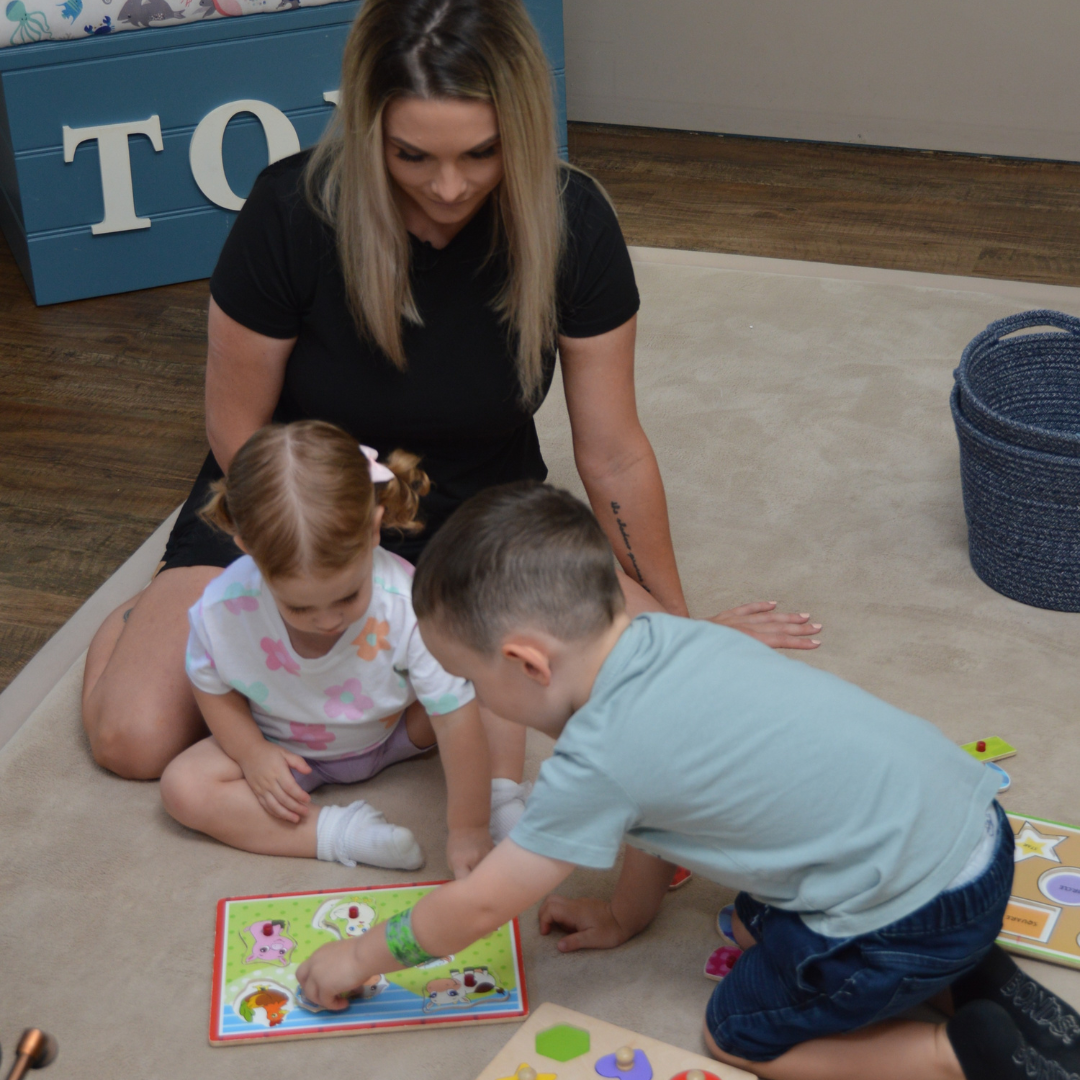
Ground-breaking WA-led study, Early Moves has hit a major milestone, with 3,000 participants successfully recruited over a four-year period.

The ORIGINS Project has been named as a key beneficiary of the Stan Perron Charitable Foundation Research People & Platform round for 2023.

New Study ‘Plugs’ Digital Intervention for Perinatal Mental Health
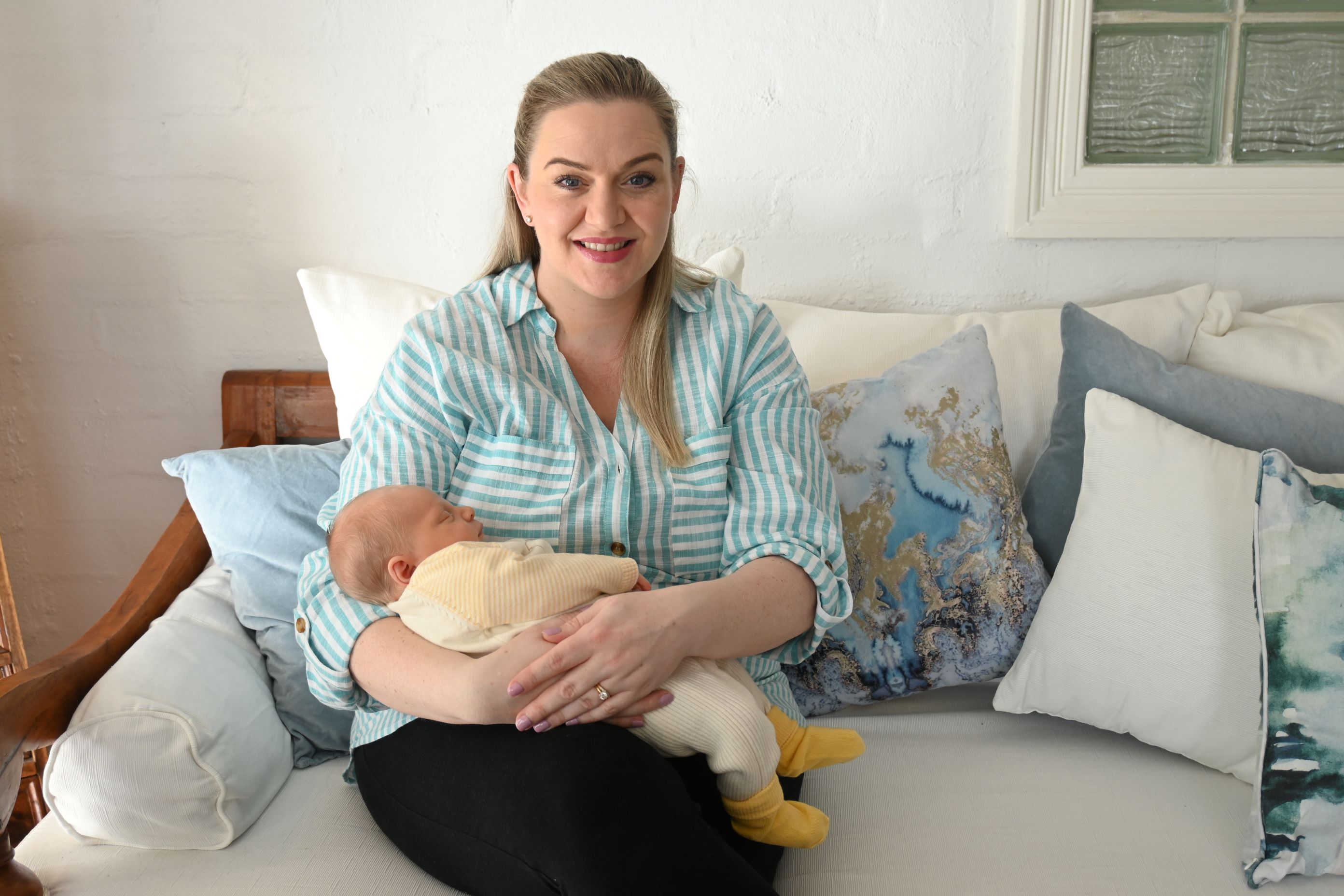
ORIGINS has welcomed its very last baby into the cohort
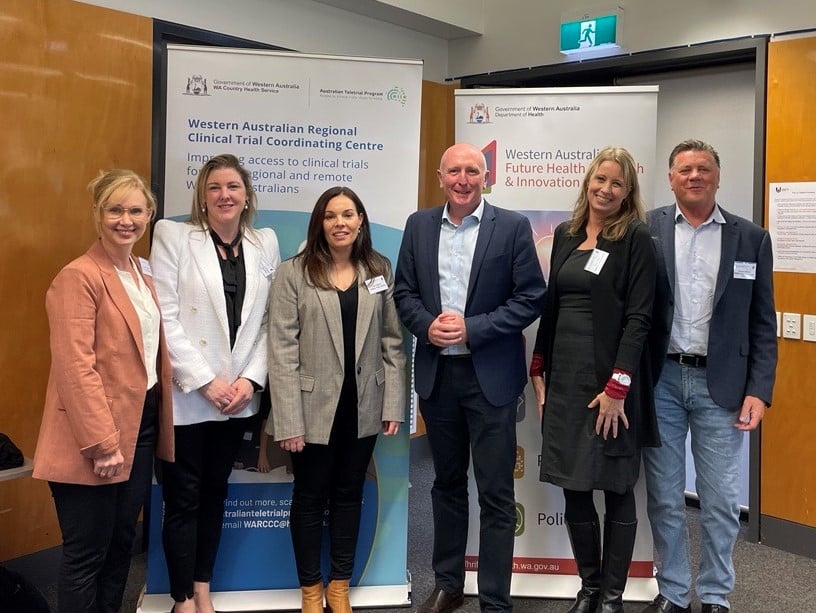
The State Government has launched the new WA Cohort Studies Research Project Support Program, recognising the value and importance of the three major cohort studies in WA.
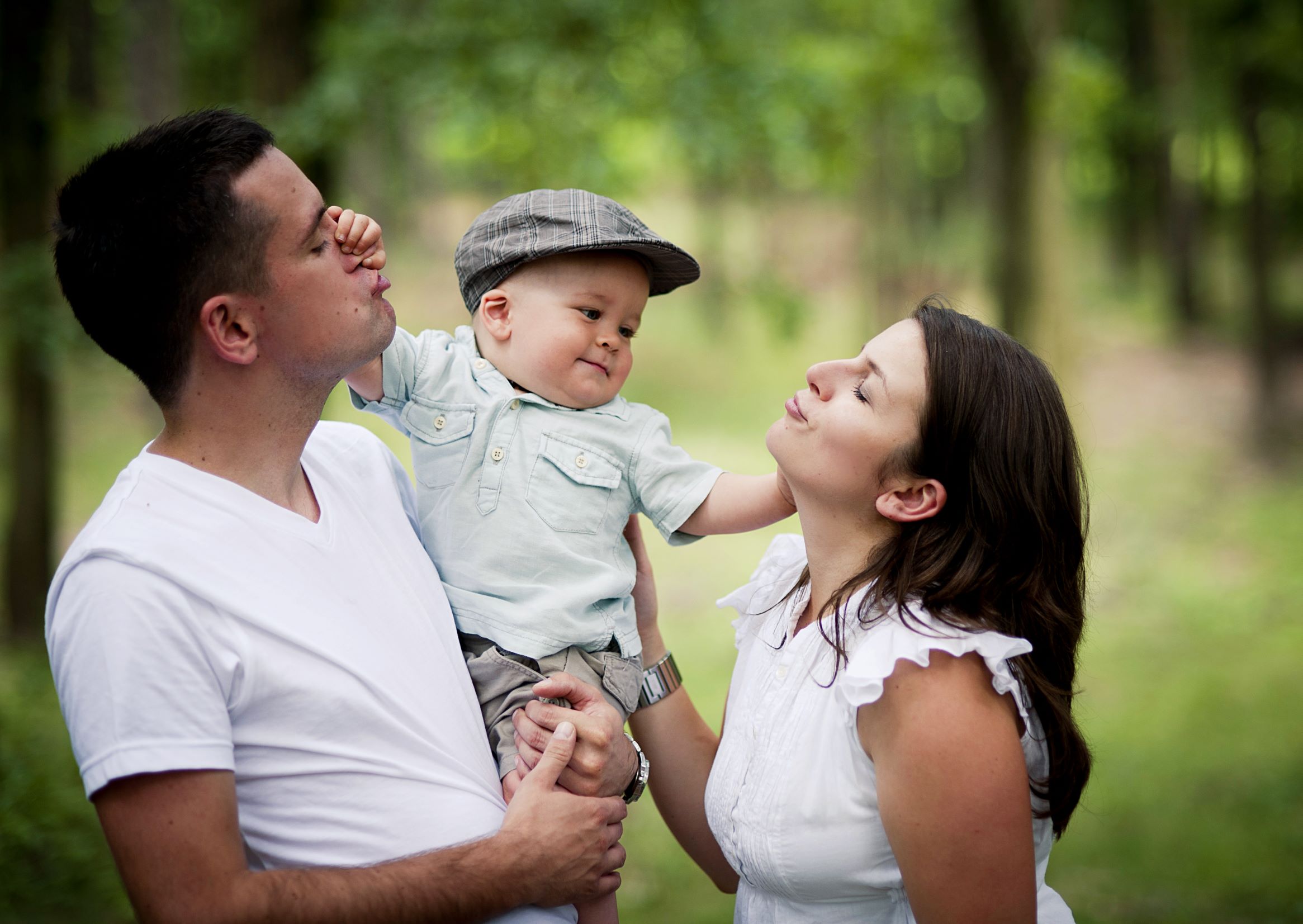
New funding from Channel 7 Telethon Trust is allowing ECU researchers to work with ORIGINS families to investigate how parents and their babies can best be supported in the first year.
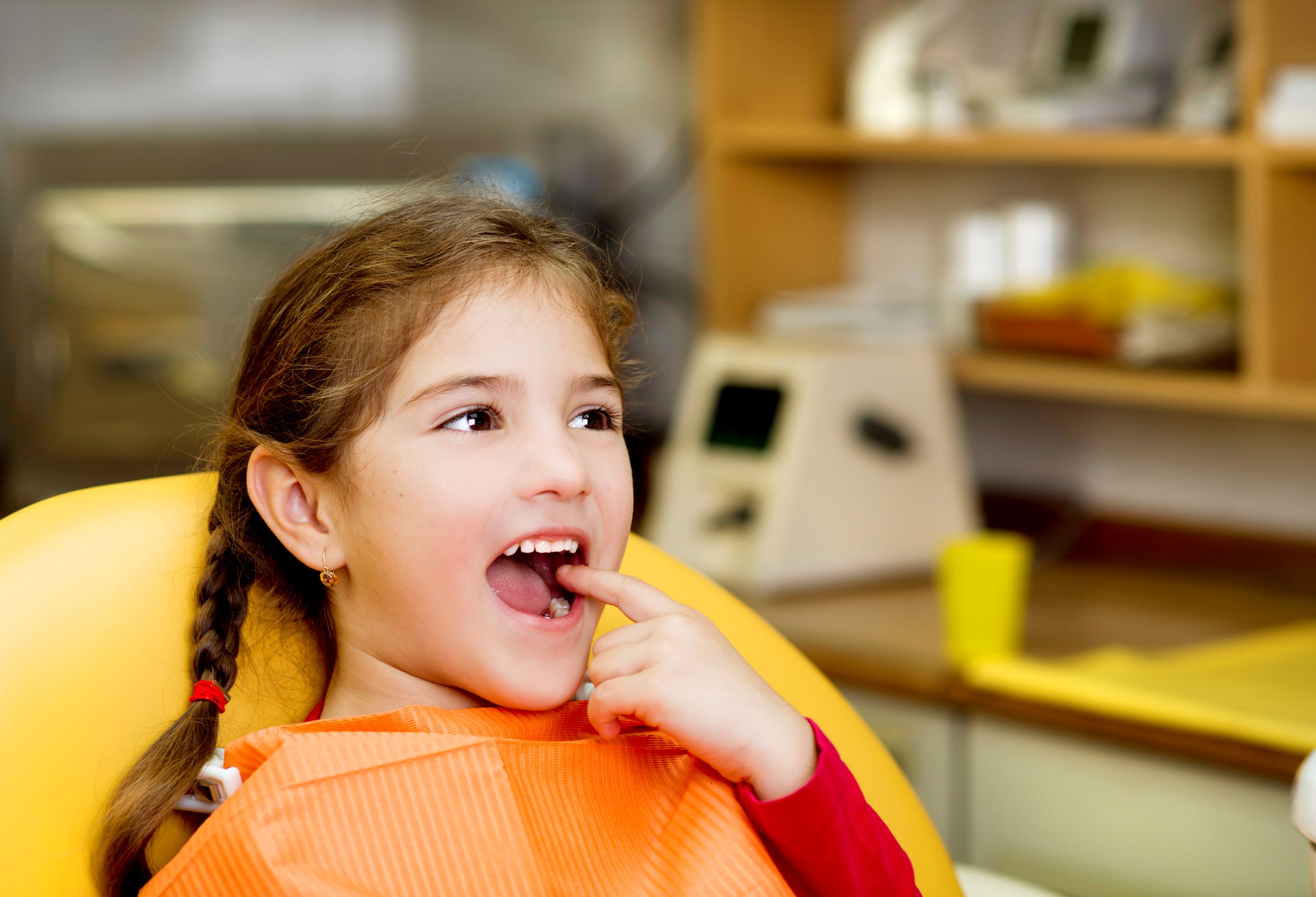
ORIGINS' Dental Screening project has completed its feasibility study, showing that the tested smartphone app, enabling remote screening of children's teeth by dental professionals, has the potential to help remote families access dental care, among other benefits.