Skip to content
The Kids Research Institute Australia logo
Donate

No results yet

Search

Research

Durvalumab with first-line chemotherapy in previously untreated malignant pleural mesothelioma (DREAM): a multicentre, single-arm, phase 2 trial with a safety run-in

There is a strong unmet need to improve systemic therapy in mesothelioma. Chemotherapy with cisplatin and pemetrexed improves survival in malignant pleural mesothelioma, and immune checkpoint inhibitors are an emerging treatment in this disease. We aimed to evaluate the activity of durvalumab, an anti-PD-L1 antibody, given during and after first-line chemotherapy with cisplatin and pemetrexed in patients with advanced malignant pleural mesothelioma.

Research

Imaging of pediatric brain tumors: A COG Diagnostic Imaging Committee/SPR Oncology Committee/ASPNR White Paper

Tumors of the central nervous system are the most common solid malignancies in children and the most common cause of pediatric cancer-related mortality. Imaging plays a central role in diagnosis, staging, treatment planning, and response assessment of pediatric brain tumors.

Research

The health-related quality of life of lung cancer patients with EGFR-The Kids-related skin adverse drug reactions and its relationship with coping style and self-management

The status and associated factors of the health-related quality of life of non-small-cell lung cancer patients under targeted anti-cancer therapy have not been investigated. Self-management and coping style have been proven to be closely related to patients’ health-related quality of life.

Research

Lessons learnt from influenza vaccination in immunocompromised children undergoing treatment for cancer

Influenza infection contributes substantially to global morbidity and mortality, with children undergoing treatment for cancer among the most vulnerable due to immunosuppression associated with disease and treatment. However, influenza remains one of the most common vaccine-preventable diseases.

Research

ErbB4 in the brain: Focus on high grade glioma

The epidermal growth factor receptor (EGFR) family of receptor tyrosine kinases (RTKs) consists of EGFR, ErbB2, ErbB3, and ErbB4. These receptors play key roles in cell proliferation, angiogenesis, cell migration, and in some cases, tumor promotion.

Research

Characteristics of TCR Repertoire Associated With Successful Immune Checkpoint Therapy Responses

Immunotherapies have revolutionized cancer treatment. In particular, immune checkpoint therapy (ICT) leads to durable responses in some patients with some cancers. However, the majority of treated patients do not respond. Understanding immune mechanisms that underlie responsiveness to ICT will help identify predictive biomarkers of response and develop treatments to convert non-responding patients to responding ones. ICT primarily acts at the level of adaptive immunity. The specificity of adaptive immune cells, such as T and B cells, is determined by antigen-specific receptors.

Research

Invasive fungal disease in children with acute myeloid leukaemia: An Australian multicentre 10-year review

Invasive fungal disease (IFD) is a common and important complication in children with acute myeloid leukaemia (AML). We describe the epidemiology of IFD in a large multicentre cohort of children with AML.

News & Events

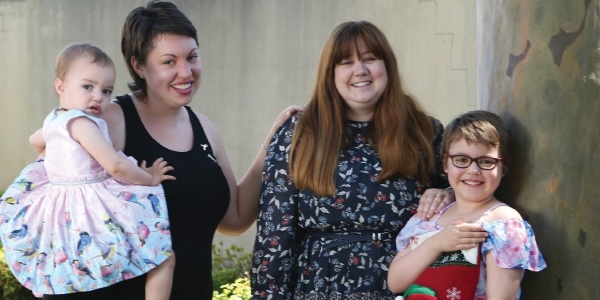
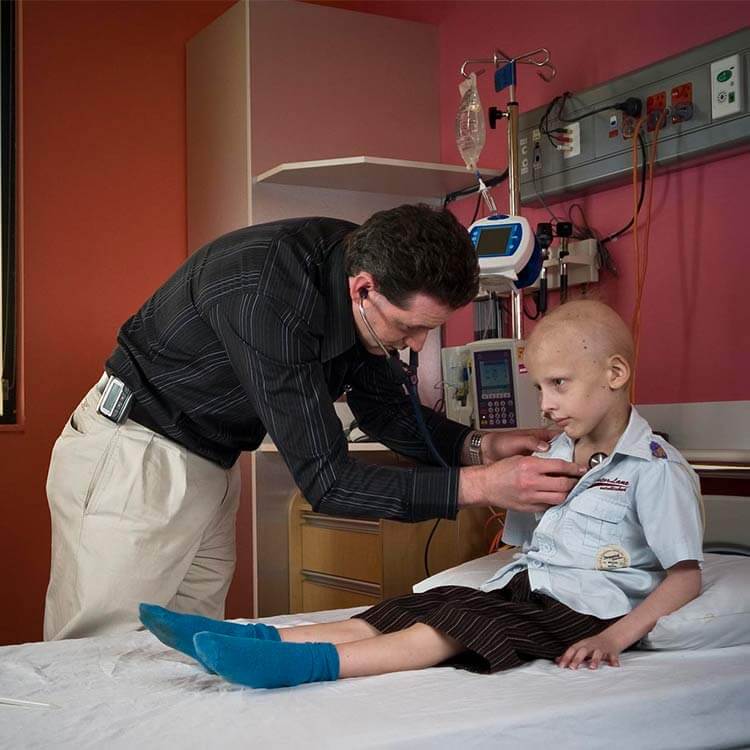
Childhood cancer story: How Rennae's child's cancer diagnosis affected her family

Rennae's son Samuel was diagnosed with stage 4 neuroblastoma 13 years ago, and was originally given a 20% chance of survival. She bravely shares their story.

News & Events

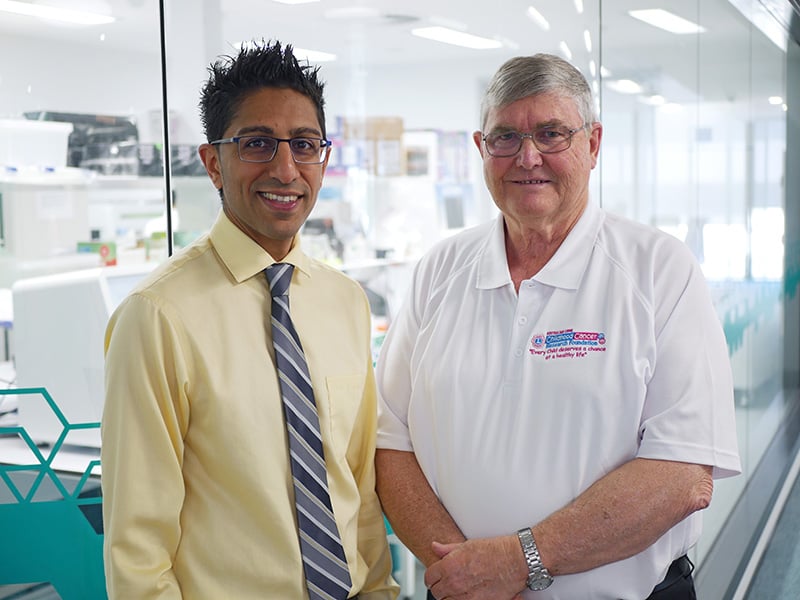
Childhood cancer research is getting a $1.05 million boost thanks to Australian Lions Childhood Cancer Research Foundation

Australian Lions Childhood Cancer Research Foundation has announced it will provide $1.05 million of funding to The Kids Research Institute Australia.
News & Events

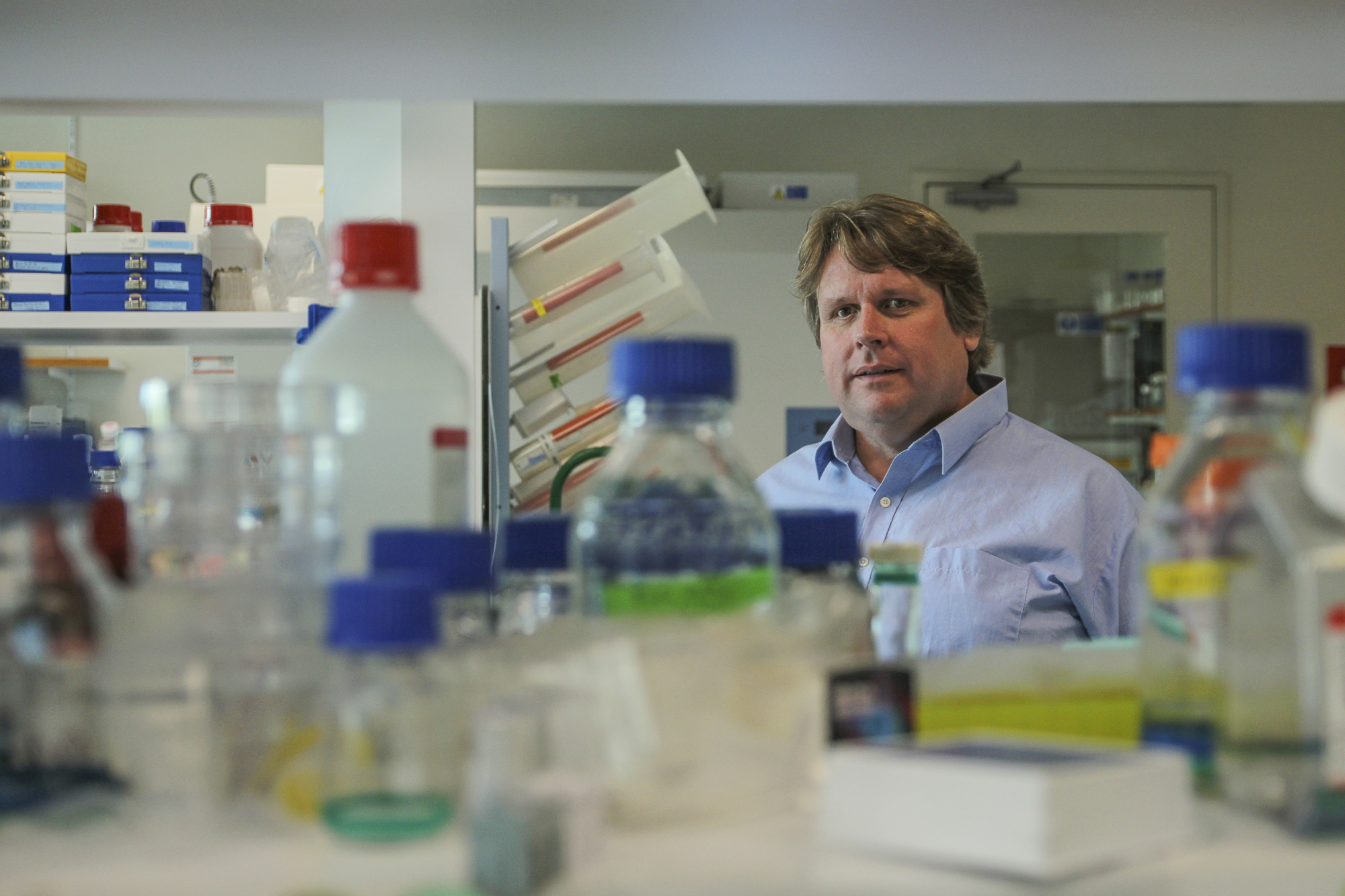
Associate Professor Nick Gottardo awarded Cure Brain Cancer Foundation Innovation Grant 2017

The Kids cancer researcher & clinician Dr Nick Gottardo has been announced as the recipient of an Innovation Grant from the Cure Brain Cancer Foundation.