
Search
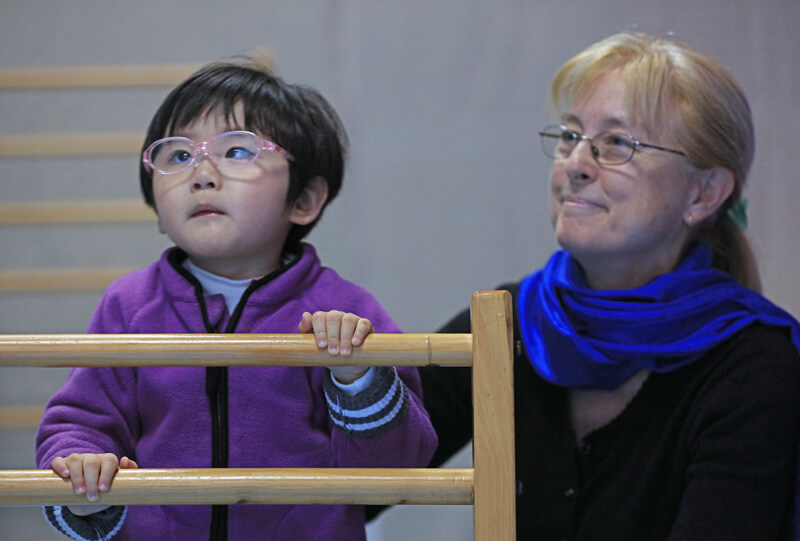
A program developed by The Kids Research Institute Australia researcher Dr Jenny Downs has led to dramatic improvements in the functioning of Chinese children with Rett syndrome, and could change the world.
This study compared strategies of propulsion and power generation at the ankle during late stance/early swing in both walking and running in children with...
This paper demonstrated that the evolution of sleep problems differed between subgroups of girls and women with Rett syndrome, in part explained by age and...
This study describes, from the perspective of parents, how females with Rett syndrome communicate in everyday life and the barriers and facilitators to...
This paper aimed to describe the relationships between level of impairment and participation in community activities for girls and women with Rett syndrome.
This study aimed to describe overall survival and adult health in those with Rett syndrome.
Through evidence review and the consensus of an expert panel, we developed recommendations for the clinical management of gastroesophageal reflux disease,...
The aim of this study was to describe pubertal development in a population-based cohort of females with Rett syndrome.
The purposes of this study were to explore what makes for a "good life" from the perspective of young adults with Down syndrome and to identify the barriers...
We developed recommendations for the clinical management of poor growth and weight gain in Rett syndrome through evidence review and the consensus of an...