
Search
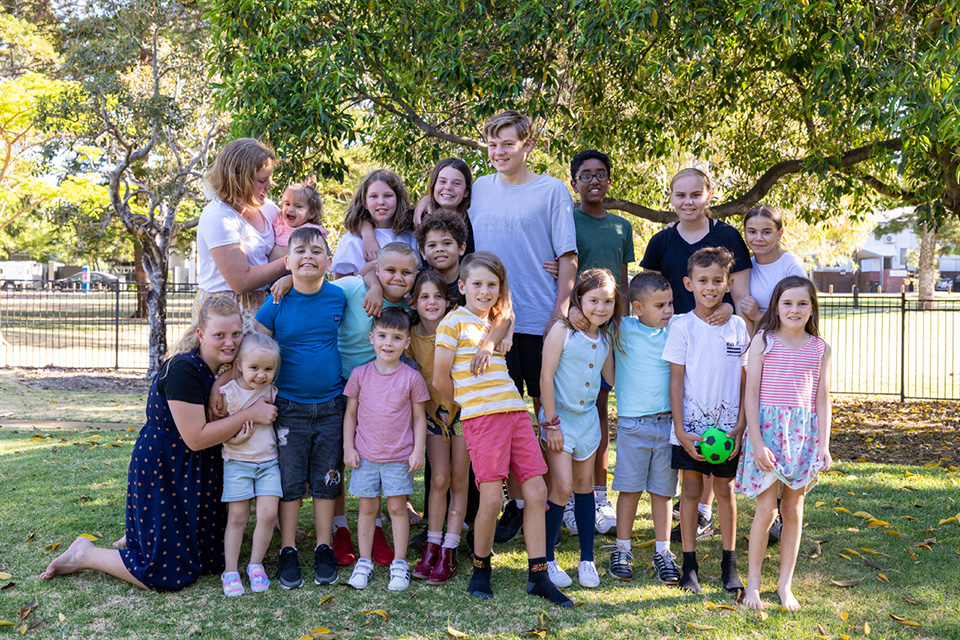
The Human Development and Community Wellbeing (HDCW) Team focuses on improving outcomes for children, family, and the community.
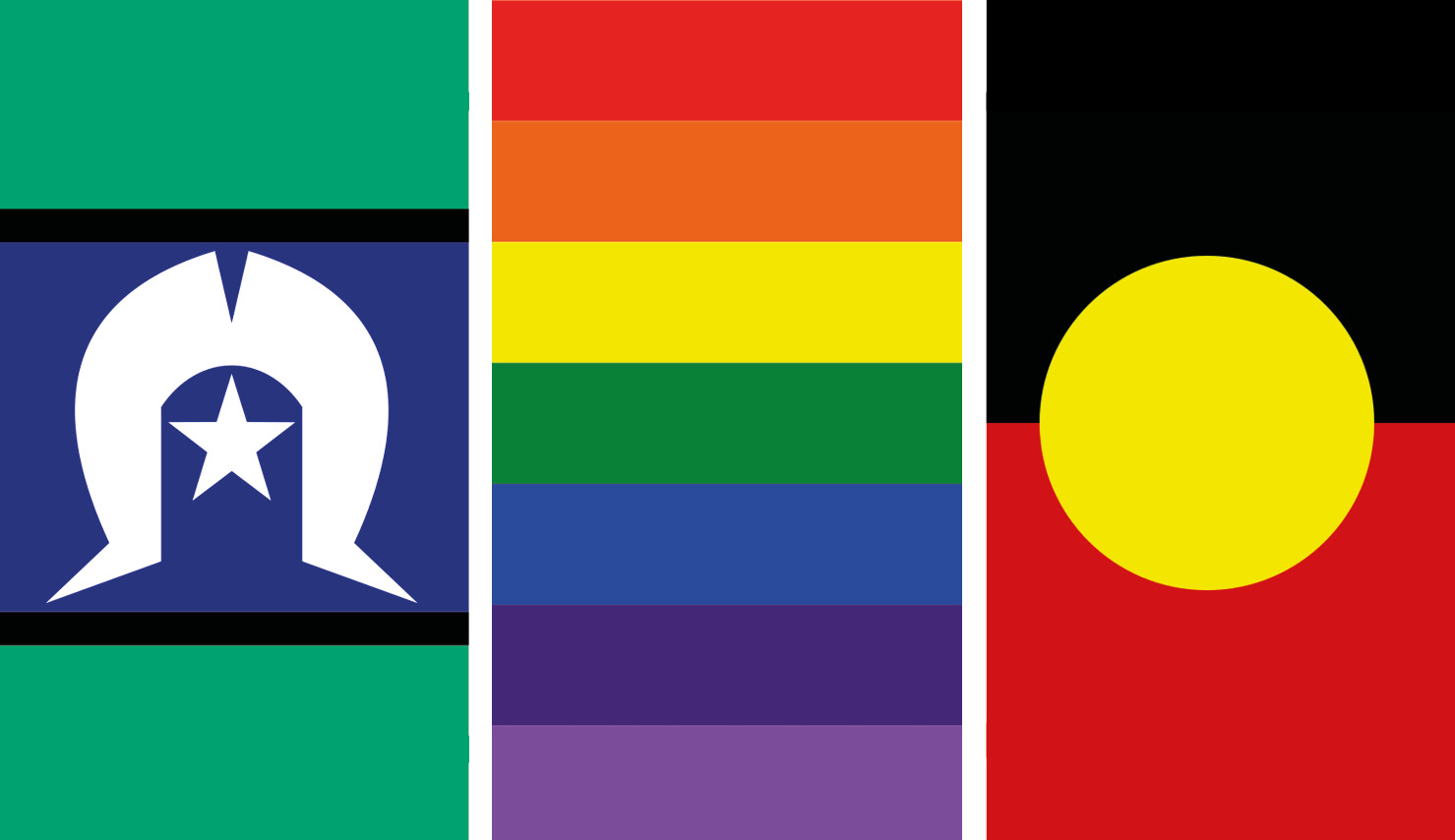
Are you a young person (14-25 years old) who is Aboriginal and/or Torres Strait Islander and LGBTIQ?
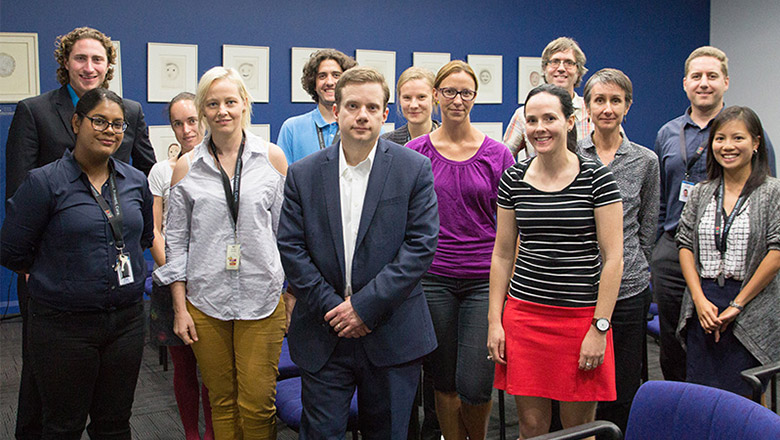
The Kids Research Institute Australia welcomed Dr Paul Croarkin from the Mayo Clinic in the US to share his work on understanding and treating depression in young people.
The Young Minds Matter survey has shown mental health services should be overhauled to ensure they are tailor-made to meet the needs of a new generation.
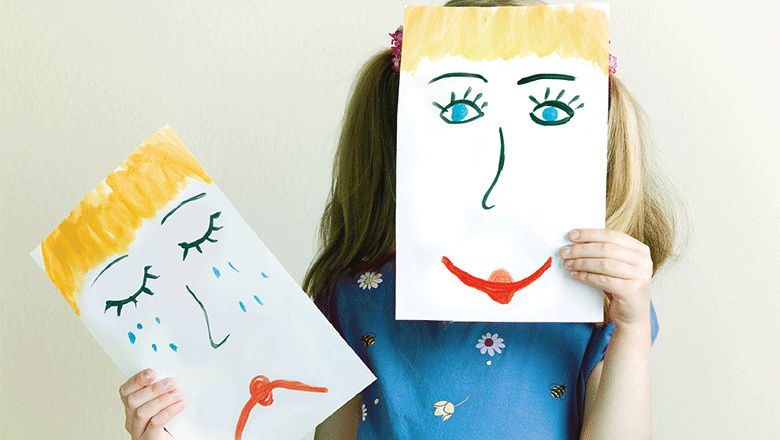
Young Minds Matter was funded by the Australian Government Department of Health. The survey was conducted at The University of Western Australia...

As a parent of two teenage daughters, I like to think I know what's going on in their lives and how they are feeling.
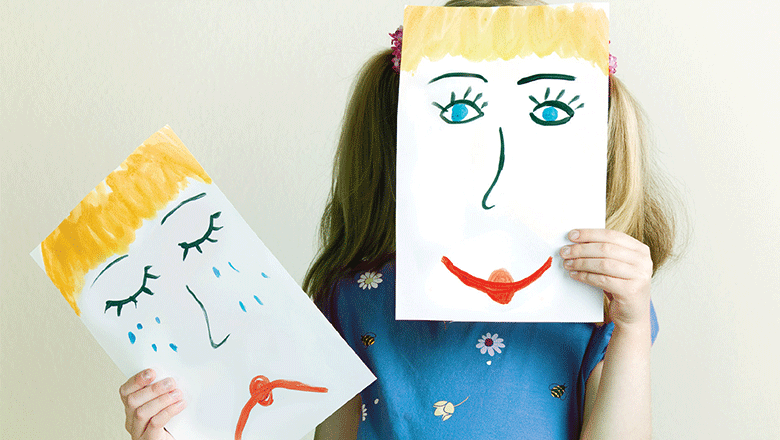
Researchers at The Kids Research Institute Australia hope data obtained from the 2nd Australian wide survey of child and adolescent mental health will help government
Research from Perth's The Kids for Child Health Research shows that symptoms of depression in young men may be associated with low vitamin D levels.
A study to investigate mental health and dietary patterns throughout childhood and into adolescence has received a $57,800 grant.
More help will be available for people bereaved by suicide as the result of two initiatives launched in Perth today.