Skip to content

Search

Prevalence of and risk factors for human rhinovirus infection in healthy aboriginal and non-aboriginal western australian children

Human rhinovirus (HRV) species C (HRV-C) have been associated with frequent and severe acute lower respiratory infections and asthma in hospitalized children.

Reduction in disparity for pneumonia hospitalisations between Australian indigenous and non-Indigenous children

In the 1990s pneumonia hospitalisation rates in Western Australia (WA) were 13 times higher in Indigenous children than in non-Indigenous children...

Hospitalisation for bronchiolitis in infants is more common after elective caesarean delivery

The authors previously reported an increased risk of hospitalisation for acute lower respiratory infection up to age 2 years in children delivered by...

Pneumococcal conjugate vaccination at birth in a high-risk setting: No evidence for neonatal T-cell tolerance

Concerns about the risk of inducing immune deviation-associated "neonatal tolerance" as described in mice have restricted the widespread adoption...

Crowding and other strong predictors of upper respiratory tract carriage of otitis media-related bacteria

Streptococcus pneumoniae, Moraxella catarrhalis, and nontypeable Haemophilus influenzae is associated with otitis media

Clinical predictors of hypoxic pneumonia in children from the Eastern Highlands Province, Papua New Guinea: secondary analysis of two prospective observational studies

Pneumonia is the leading cause of death in young children globally and is prevalent in the Papua New Guinea highlands. We investigated clinical predictors of hypoxic pneumonia to inform local treatment guidelines in this resource-limited setting.

Funding boost music to the ears of WA children

A $6 million commitment from Wesfarmers to Telethon will fund vital research to reduce the impact of chronic ear infections and other serious diseases.

Ear health partnership brings brighter future for Aboriginal kids

A new partnership between The Kids Research Institute Australia, Dr George Sim and St John of God Murdoch Hospital will offer essential surgery at no cost for a group of Aboriginal children suffering severe ear infections.
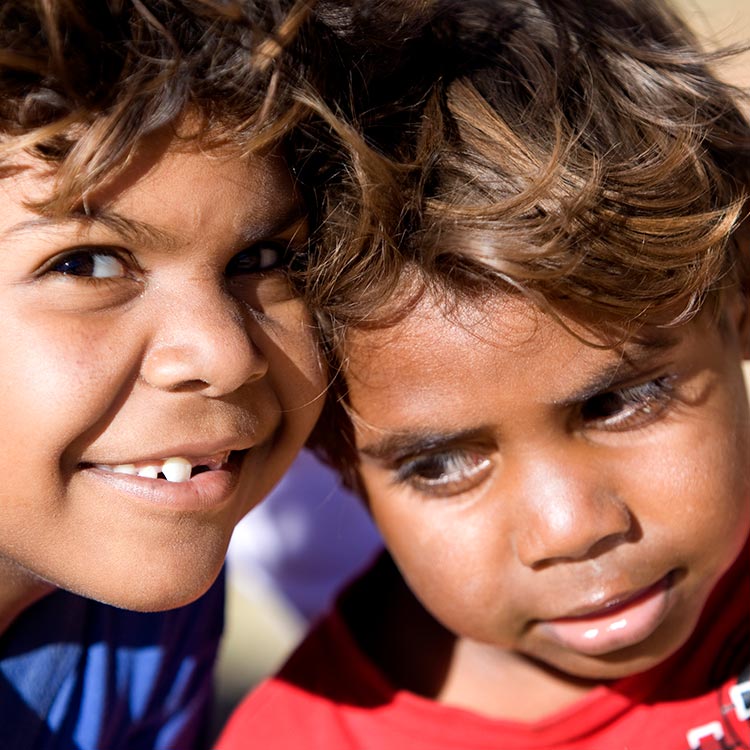
“We've wanted to vaccinate against it and now we can”: views of respiratory syncytial virus disease and immunisation held by caregivers of Aboriginal children in Perth, Western Australia

Respiratory syncytial virus (RSV) is a major cause of respiratory infection with a higher burden in Aboriginal and Torres Strait Islander infants and children. We conducted a pilot qualitative study identifying disease knowledge and willingness to immunise following the changing immunisation landscape for infant RSV in 2024.

Lack of effectiveness of 13-valent pneumococcal conjugate vaccination against pneumococcal carriage density in Papua New Guinean infants

Papua New Guinea (PNG) introduced the 13-valent pneumococcal conjugate vaccine (PCV13) in 2014, with administration at 1, 2, and 3 months of age. PCV13 has reduced or eliminated carriage of vaccine types in populations with low pneumococcal carriage prevalence, carriage density and serotype diversity.