
Search
Mental health problems are common among university students, yet many students do not seek professional help. Digital mental health interventions can increase students' access to support and have been shown to be effective in preventing and treating mental health problems. However, little is known about the extent to which students implement therapeutic skills from these programs in everyday life (ie, skill enactment) or about the impact of skill enactment on outcomes.
The Perth Emotional Reactivity Scale (PERS) is a 30-item self-report questionnaire that assesses the ease of activation, intensity, and duration of negative and positive emotions. Our study aimed to introduce and validate the Polish version of the PERS.
Few studies have examined associations between gender non-conformity (GNC) in childhood or adolescence and mental health outcomes later in life. This study examined associations between GNC and mental health over multiple time points in childhood and adolescence, and GNC in childhood and/or adolescence and mental health in adulthood.
Despite there being an increasing number of applied flow studies across scientific disciplines, there exists no consistent or broadly applicable intervention to promote flow experiences. This study provides a detailed account of a new educational flow training program developed following recent advancements in the flow literature that have provided a more parsimonious understanding of flow experiences and antecedents.
Irritability is a transdiagnostic indicator of child and adolescent internalizing and externalizing problems that is measurable from early life. The objective of this systematic review was to determine the strength of the association between irritability measured from 0 to 5 years and later internalizing and externalizing problems, to identify mediators and moderators of these relationships, and to explore whether the strength of the association varied according to irritability operationalization.
The vast and growing challenges for human health and all life on Earth require urgent and deep structural changes to the way in which we live. Broken relationships with nature are at the core of both the modern health crisis and the erosion of planetary health. A declining connection to nature has been implicated in the exploitative attitudes that underpin the degradation of both physical and social environments and almost all aspects of personal physical, mental, and spiritual health.
The Healing Kids, Healing Families team strives to understand how trauma and adverse circumstances can impact a child and their family, and how we can help them to recover from these experiences.
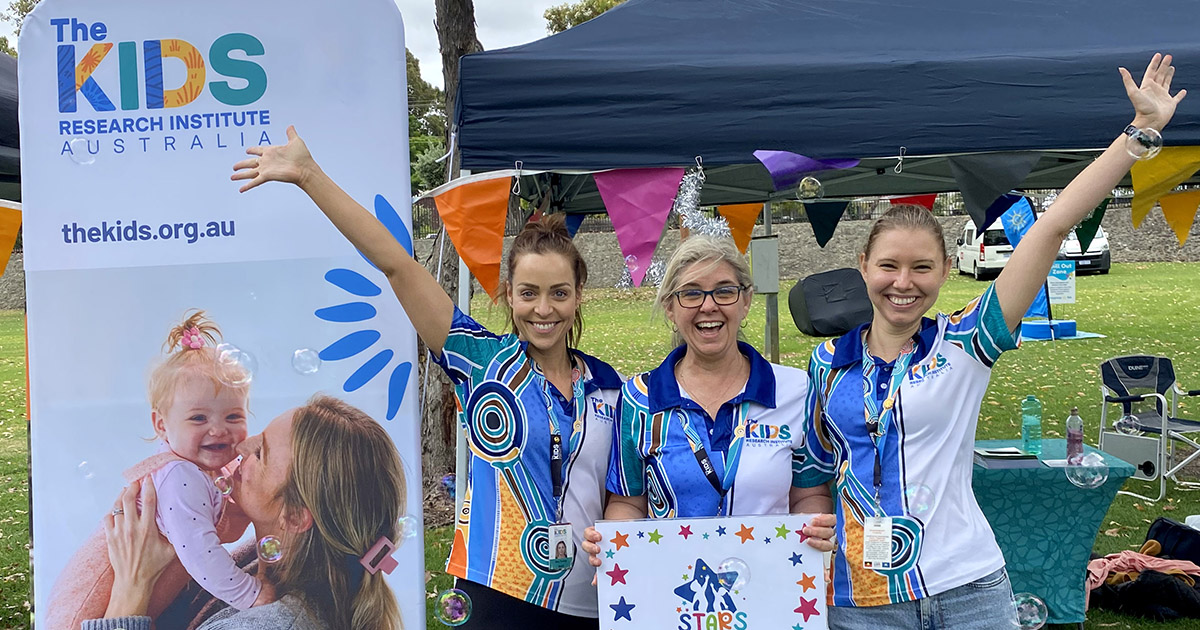
STARS for Kids, a sub-project of ORIGINS, received a three-year grant to advance the development of a scalable, online, tiered model of care to better support disadvantaged communities, where 20-25 per cent of children are entering school developmentally vulnerable.

Three researchers from The Kids Research Institute Australia were recognised as being among Western Australia’s brightest and most innovative scientific minds at last night’s 24th Premier's Science Awards.
A unique national study to examine the impact of the Federal Government’s social media ban on families is being undertaken by The Kids Research Institute Australia, in collaboration The University of Western Australia and Edith Cowan University.