
Search
We unite experts and communities to improve child health through research that has impact, using animals only when no other methods are suitable. We are also a signatory to the ANZCCART Animals in Research Openness Agreement.
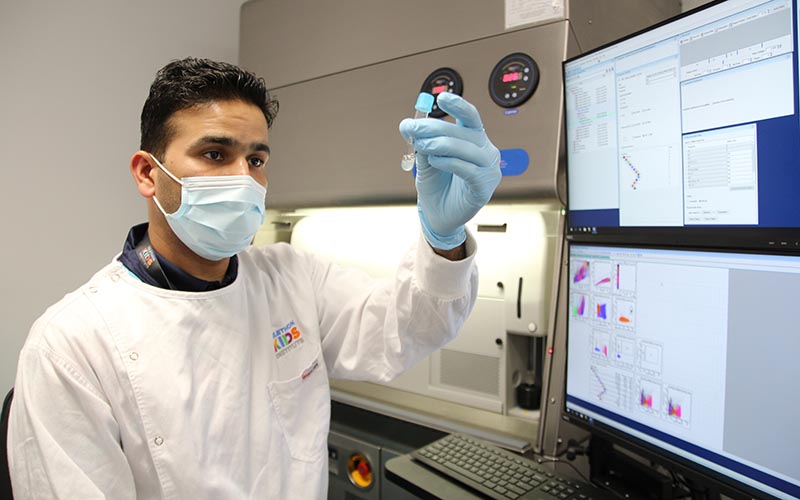
Flow cytometry is a technology used to measure complex cell phenotype and functions. Our Flow Facility is equipped with 3 flow cytometers/analysers, one...

We will leverage the unique Western Australian data linkage resources to undertake the definitive twin and sibling study of infection-related hospitalisation
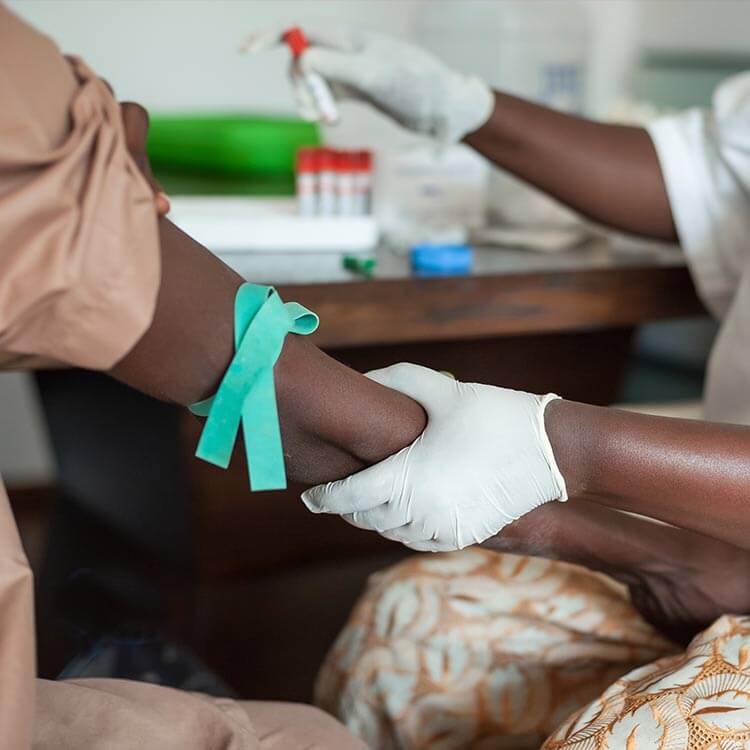
This study investigated host gene expression in response to new HIV infection.
Inadequate housing and living conditions underpin significant health and wellbeing inequality in Australia, particularly for Indigenous people. This review aimed to define infectious disease (ID) outcomes used to measure the health impact of inadequate housing in Australia within a research context.
Research on the health literacy of parents with children with intellectual disability is limited. Understanding parents' healthcare skills and needs is essential for improving children's health and developing effective support. In this study we aimed to (1) explore the health literacy skills of parents that enabled them to support the health needs of their child with intellectual disability and the factors influencing these skills, and (2) identify opportunities to support parent health literacy.
Information on factors contributing to quality of life (QOL) informs meaningful patient-centred care. We evaluated factors influencing QOL in individuals with developmental and epileptic encephalopathy (DEE) and other severe neurodevelopmental encephalopathy conditions using hypothesis-free regression tree analysis.
Human milk is a rich source of immunomodulatory factors that influence the development of the infant immune system, including susceptibility to allergic diseases. Among these components, milk antibodies have been extensively studied for their role in protecting against infections; however, their potential contribution to allergy prevention may be equally important. The mechanisms of protection include allergen exclusion, enhanced and targeted antigen presentation, immune modulation via shaping of the infant gut microbiome, and direct regulation of gut immune responses.
Physical constraints of small apartment kitchens and the influence of the surrounding community food environment may impact food practices of apartment residents. Social media portrayal of these features may influence public perception of apartment living.
Extreme heat exposure is a major global public health threat that is affecting people across the life course, including the pregnancy period. Studies have linked extreme heat with adverse pregnancy and newborn health outcomes globally.