
Search
The early years is a critical stage to establish optimal nutrition and movement behaviours. Community playgroups are a relaxed environment for parents with a focus on social connection and supporting parents in their role as 'First Teachers'. Playgroups are therefore an opportunistic setting to promote health behaviours in the early years.
Limited research investigates early childhood education and care (ECEC) educators' involvement in promoting physical activity. The aim was to identify distinct profiles based on physical activity-related practices and psychosocial factors in ECEC educators and examine how they relate to the amount of time allocated to children's physical activity. A secondary analysis of educator-reported survey data from the Play Active study was undertaken.
Childcare services such as preschools and long day care centres have been identified as a key setting to promote physical activity in early childhood as they provide access to large numbers of children for prolonged periods. Yet, specific standards for the type and amount of physical activity children accumulate whilst attending childcare are lacking. The purpose of this study was to derive population-referenced percentile values for children's total movement and energetic play whilst attending early childhood education and care services.
Knowledge of developmental trends in meeting age-specific 24-hour movement behaviour guidelines is lacking. This study describes developmental trends in device-measured physical activity and sedentary time over a three-year period among Western Australian children aged two to seven years, including differences between boys and girls.
Adaptations for scale-up are ubiquitous but are rarely described in detail. Adaptations may be a key reason for the "scale-up penalty" which is when there is a reduction in intervention effect size following scale-up. The Play Active intervention consists of a physical activity policy for early childhood education and care (ECEC) services, with accompanying implementation support strategies.
We examined the moderating effects of parent perceptions of the neighbourhood environment on associations between objectively measured neighbourhood environment attributes and physical activity among pre-schoolers. The number of neighbourhood parks was positively associated with pre-schooler energetic play when parents had above average perceptions of access to services.
Meeting 24-h movement behavior guidelines for the early years is associated with better health and development outcomes in young children. Early childhood education and care (ECEC) is a key intervention setting however little is known about the content and implementation of movement behavior polices in this context. To inform policy development this international scoping review examined the prevalence, content, development and implementation of ECEC-specific movement behavior policies.
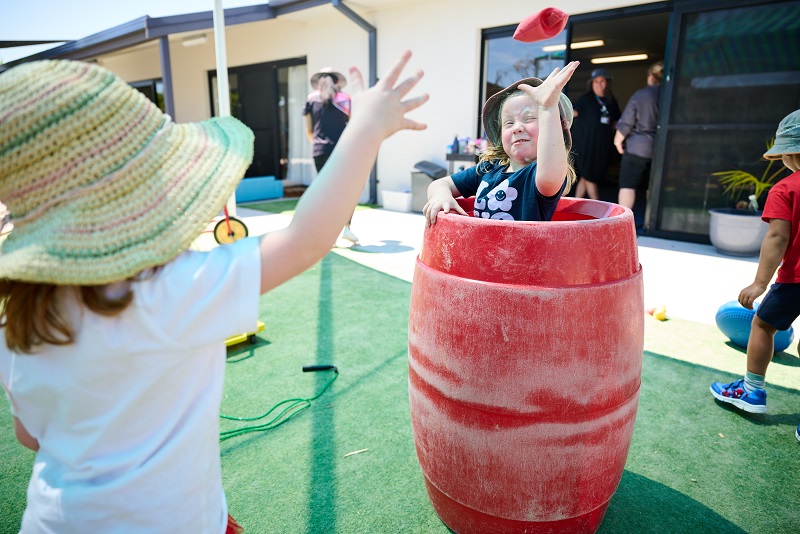
Our Child Physical Activity, Health and Development team focuses on improving children’s physical activity levels, health and development. We work to uncover the best environments, policies and programs to facilitate physically active lifestyles for lifelong health and wellbeing.
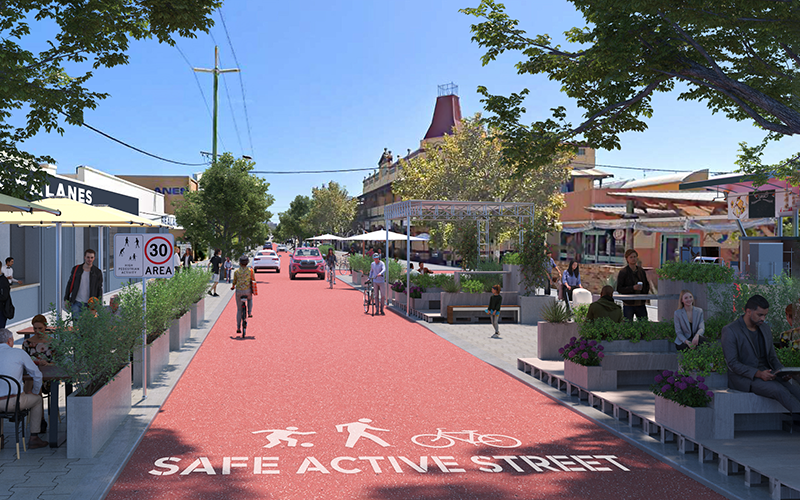
Researchers have identified 10 Australian shopping strips where the removal of on-street parking would transform the area’s liveability.

Four The Kids Research Institute Australia researchers from a diverse range of fields have been named as finalists for the prestigious 2022 Premier’s Science Awards.