
Search
In this blog, research project co-ordinator Rebecca Kuzminski discusses anxiety related to uncertainty, why this is a particular challenge for many autistic children, and new research CliniKids is conducting to help parents support their child with managing uncertainty-related anxiety.

In this blog, Occupational Therapy Clinical Lead Marie Rodatz shares top tips for developing independence with daily living skills —bathing or showering, washing hands, brushing teeth and dressing — in children.

This blog aims to explore what emotions are, why they are important, and how we can support children to develop their ability to understand and express their own emotions in a healthy way.
Receiving an autism diagnosis for your child can bring a wide range of emotions. For many families, it provides answers and validation, but it can also leave parents and caregivers wondering, What happens next? Where do we start?
Our award-winning 60 Second Science video series translates the latest research into an accessible format for the community. Here you will also find our Autism Seminar Series and videos about our clinical services and current research projects.
View our wide range of resources including fact sheets, and help understanding autism.
CliniKids has developed a range of fact sheets to support everyday activities at home. We've also included links to some resources and websites for parents and carers developed by other support services.
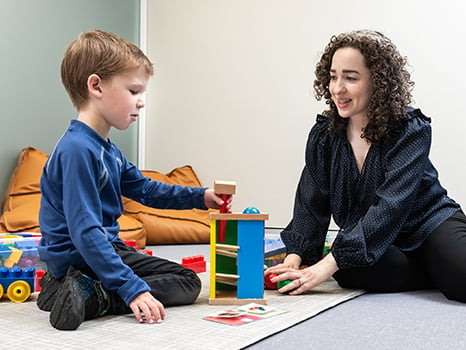
Autism is a complex developmental condition which results in differences in the way in which a person interacts, learns and behaves.
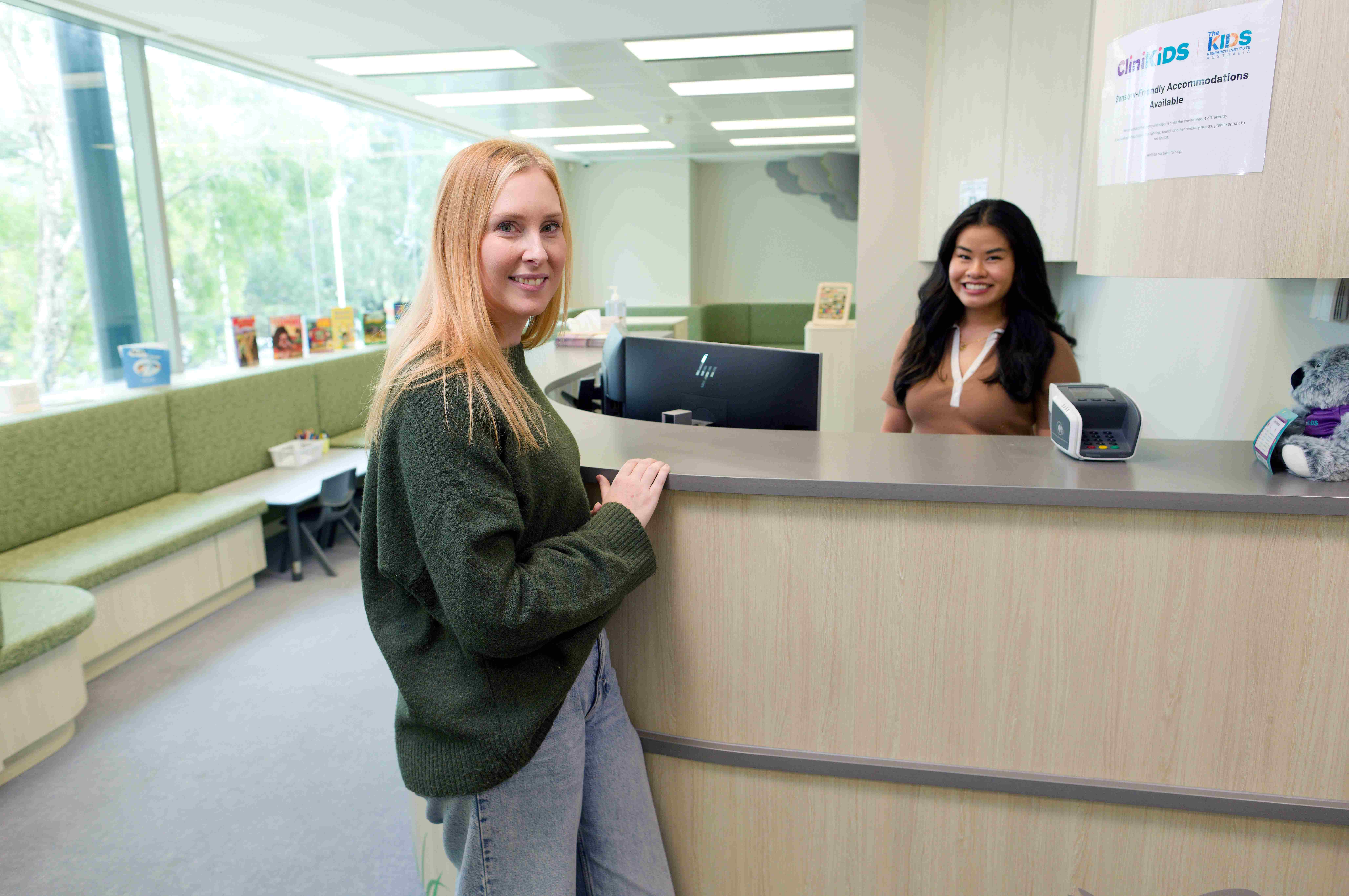
Thank you to all the families who took the time to complete the 2025 CliniKids clinic survey. We were overwhelmed by the level of support. Here are the main findings and some feedback about the possibility of using AI in our day-to-day operations.

There is lots of news to report from the clinic including holiday shutdown dates, appointment scheduling, staff updates, and more.