
Search
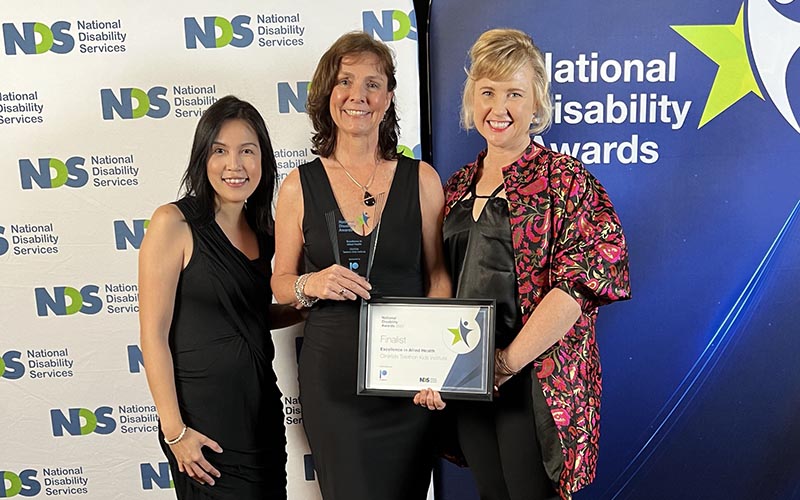
CliniKids has won the Excellence in Allied Health category at the inaugural National Disability Awards, announced in Melbourne tonight.
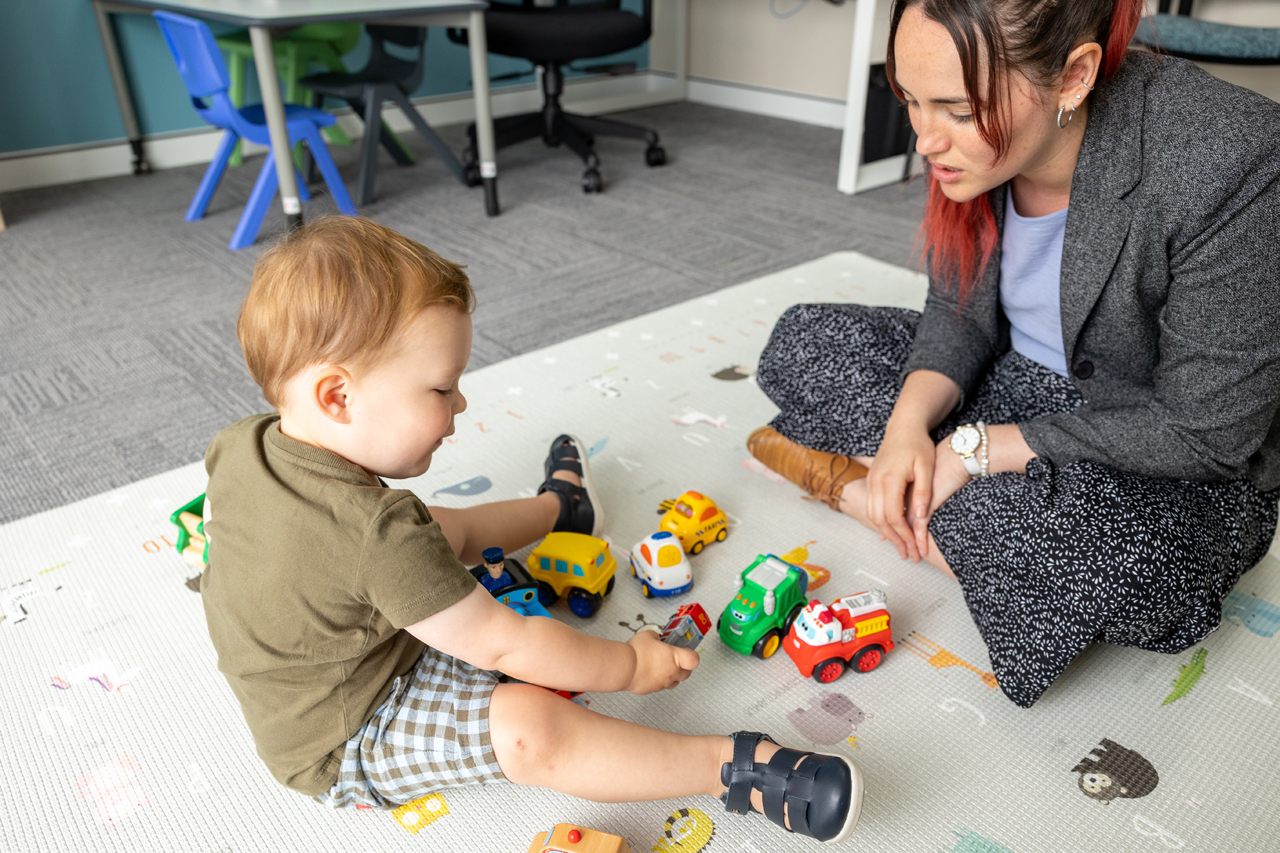
Are you tired of being on waitlists to access supports for your family? CliniKids has immediate availability for a number of therapies and programs in clinic (Subiaco and Joondalup) or via telehealth.
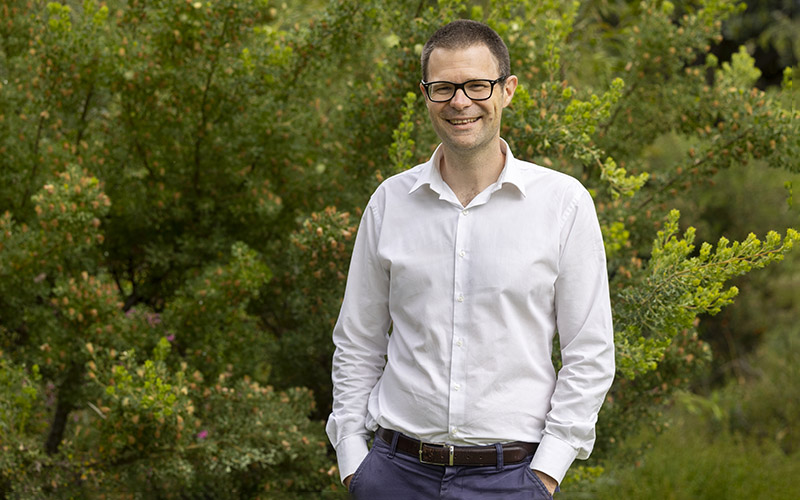
Professor Andrew Whitehouse has been named a finalist in the 2023 Western Australian of the Year Awards for his work in transforming clinical support for autistic children in Australia.
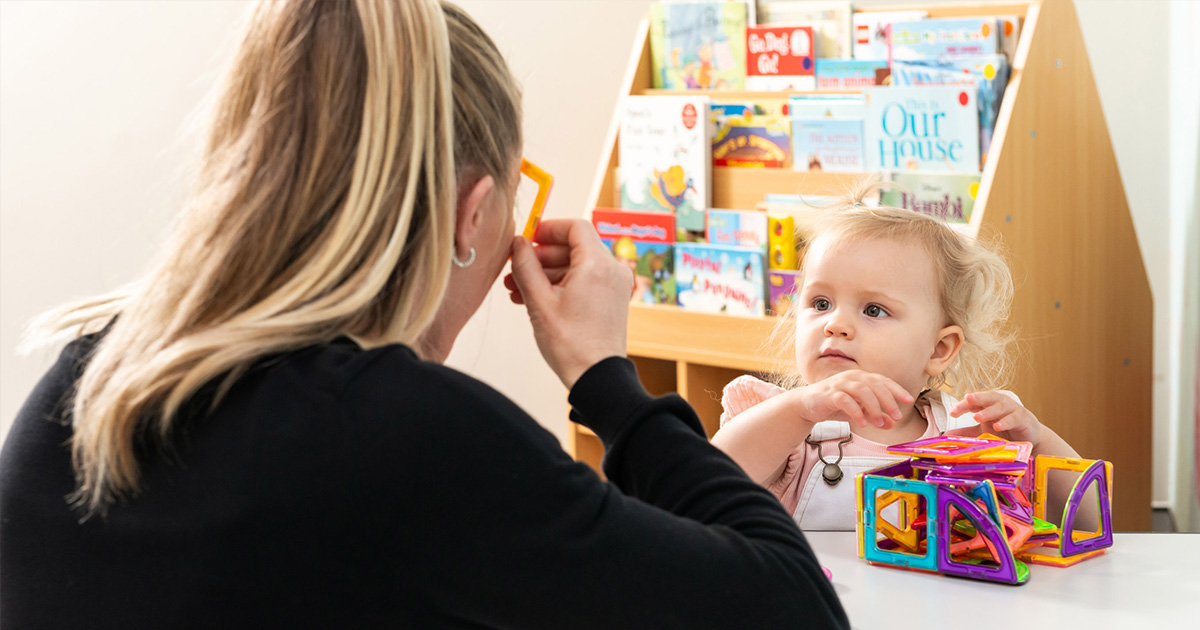
Today, on World Autism Day, we embrace the theme Celebrating Differences, recognising the unique strengths, perspectives, and contributions of autistic individuals.
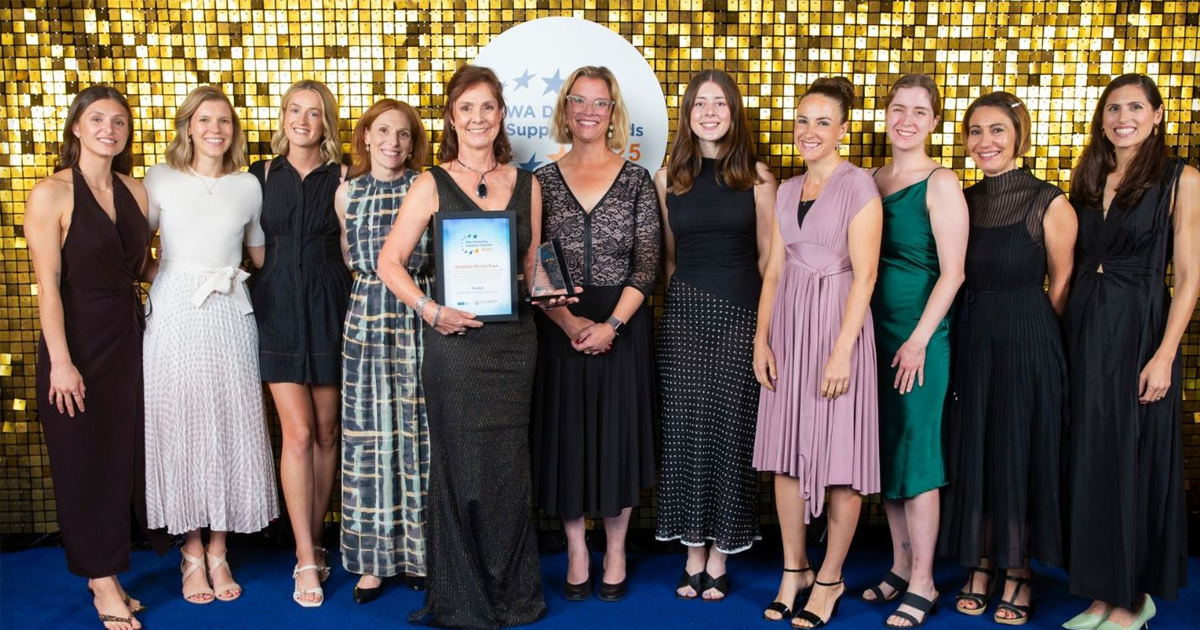
CliniKids has won the Allied Health Professionals category at the Western Australian Disability Support Awards, announced at Crown Perth on the weekend.
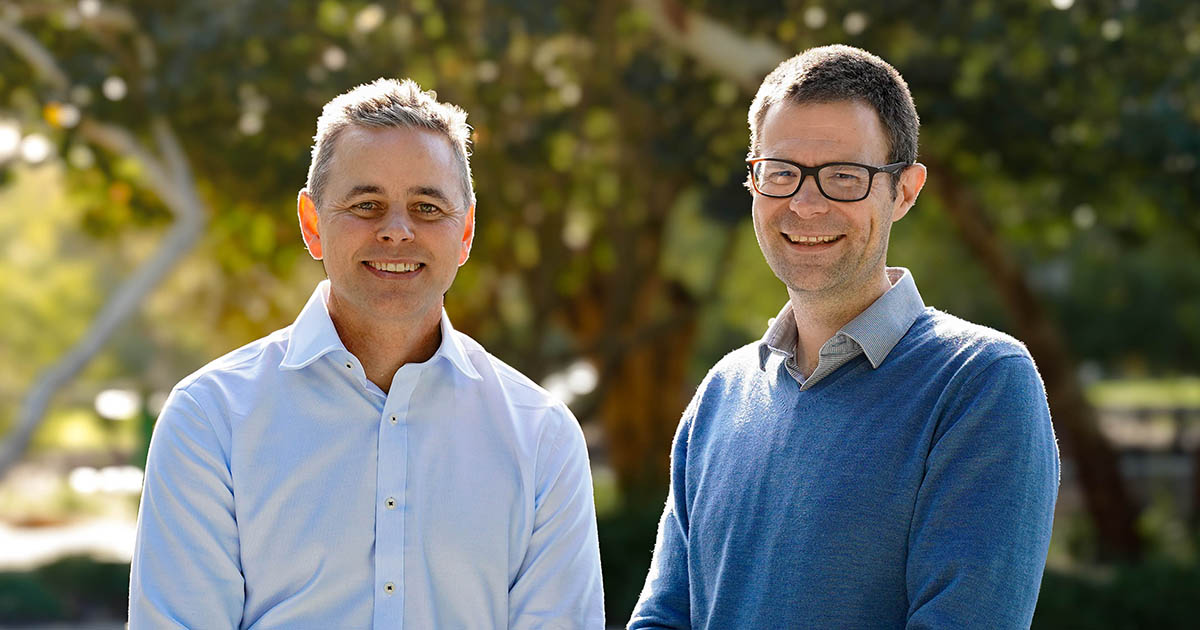
Researchers at The Kids Research Institute Australia have pushed back against claims by US President Donald Trump linking paracetamol use during pregnancy to autism.
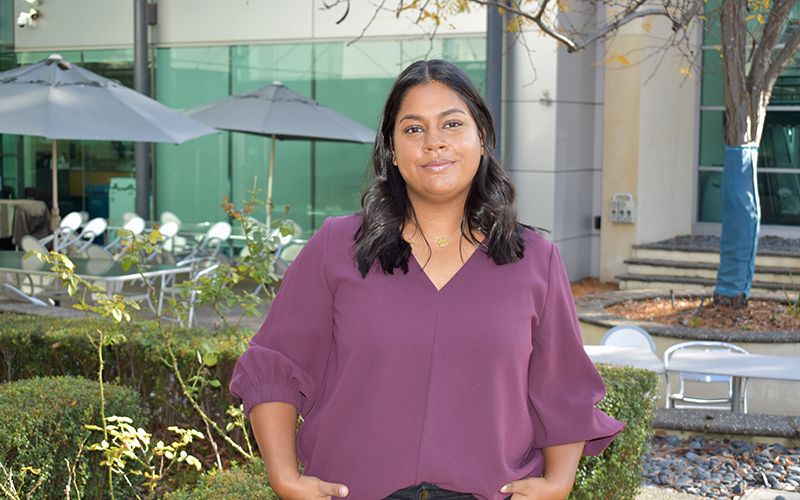
A co-designed digital tool to address anxiety concerns for children on the autism spectrum is set to be developed and trialled in Western Australia.
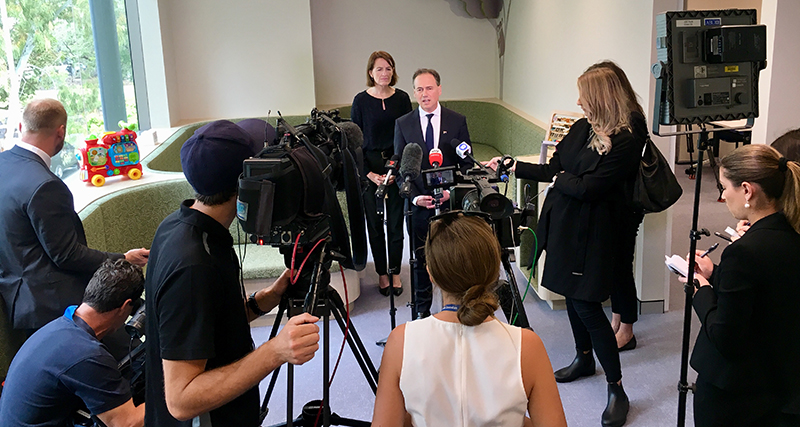
Western Australian babies and children with autism and developmental delay will be able to access world-first therapies and interventions backed by the latest research, thanks a unique clinical service developed by The Kids Research Institute Australia.
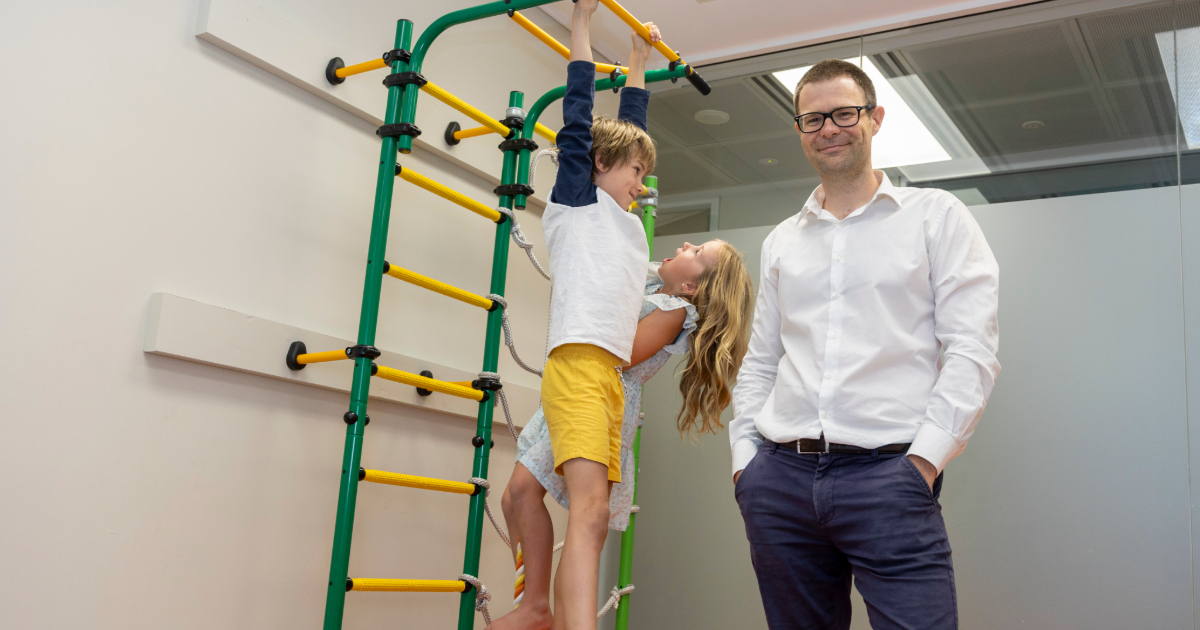
The Kids Research Institute Australia has welcomed the recommendations to come out of the State Government’s inquiry into support for autistic children and young people in schools, released last week.
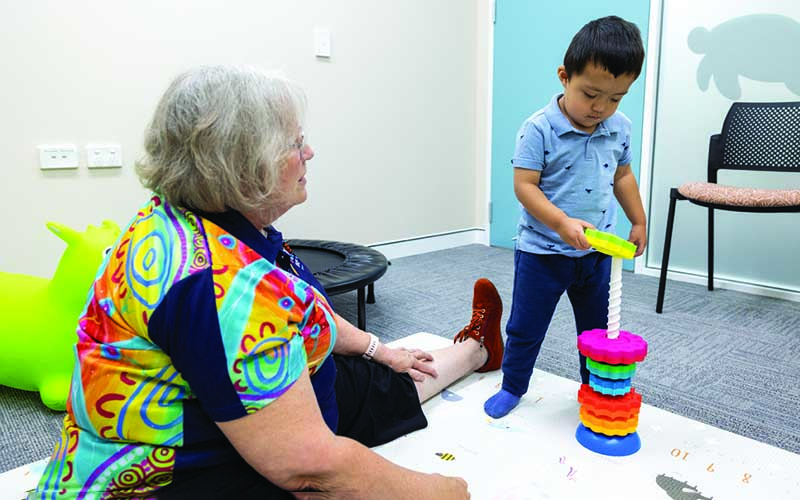
Discover how this family is benefitting from CliniKids' evidence-based therapies.