
Search
Respiratory syncytial virus (RSV) is the most common cause of acute lower respiratory infections in children worldwide. The highest incidence of severe disease is in the first 6 months of life, with infants born preterm at greatest risk for severe RSV infections.
Pregnancy and early infancy are increased risk periods for severe adverse effects of respiratory infections. Aboriginal and/or Torres Strait Islander (respectfully referred to as First Nations) women and children in Australia bear a disproportionately higher burden of respiratory diseases compared to non-Indigenous women and infants. Influenza vaccines and whooping cough (pertussis) vaccines are recommended and free in every Australian pregnancy to combat these infections.
Studies linking early life exposure to air pollution and subsequent impaired lung health have focused on chronic, low-level exposures in urban settings. We aimed to determine whether in utero exposure to an acute, high-intensity air pollution episode impaired lung function 7-years later.
Climatic conditions play a key role in the transmission and pathophysiology of respiratory tract infections, either directly or indirectly. However, their impact on the COVID-19 pandemic propagation is yet to be studied.
A population of neutrophils recruited into cystic fibrosis (CF) airways is associated with proteolytic lung damage, exhibiting high expression of primary granule exocytosis marker CD63 and reduced phagocytic receptor CD16. Causative factors for this population are unknown, limiting intervention. Here we present a laboratory model to characterize responses of differentiated airway epithelium and neutrophils following respiratory infection.
Burkholderia cepacia complex causes life-threatening respiratory infections. Here, a bacteriophage with activity against B. cenocepacia was isolated from wastewater. It has a genome size of 70,144 bp and has the taxonomic classification Irusalimvirus. It has no genes associated with lysogeny, bacterial resistance, or virulence.

Respiratory Syncytial Virus (RSV) is a year-round threat to the health of babies and young children, and one of the leading causes of infant hospitalisation in Australia. It is highly contagious and can cause anything from mild cold-like symptoms to severe lung infections such as bronchiolitis and pneumonia. For n

Global circulation of respiratory syncytial virus (RSV) is shaped by human air travel with travellers hosting new strains fuelling transmission across borders, an international The Kids Research Institute Australia study found.
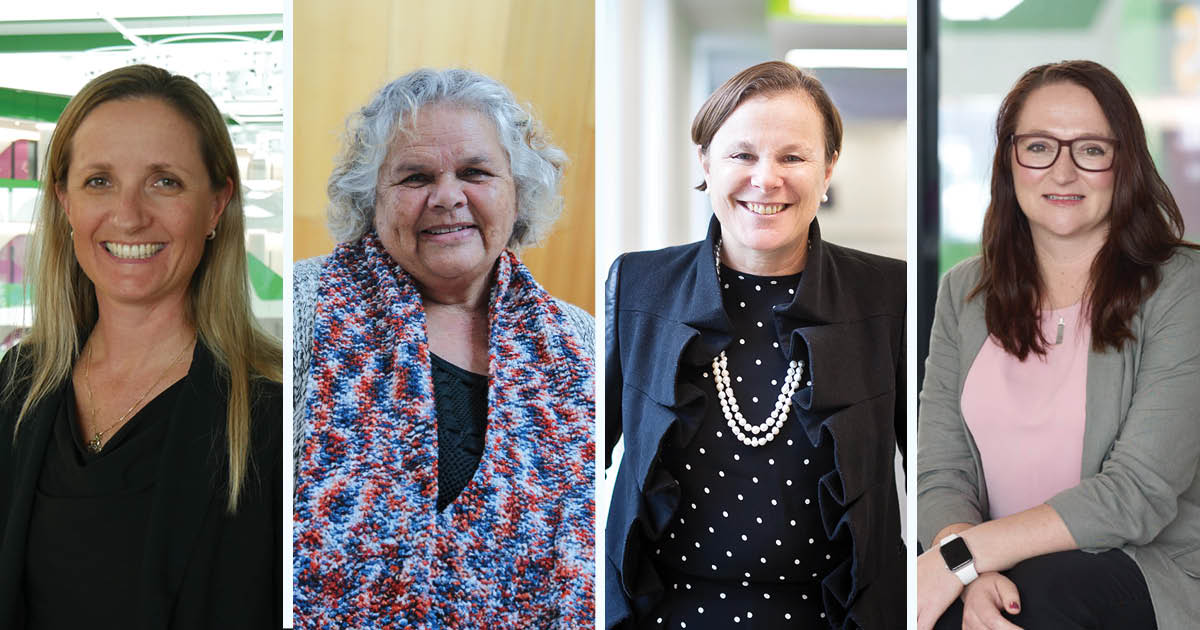
Four outstanding members of The Kids Research Institute Australia family – three researchers and an Aboriginal Elder co-researcher – have been named in the Australia Day Honours List for their outstanding service to research and the community.
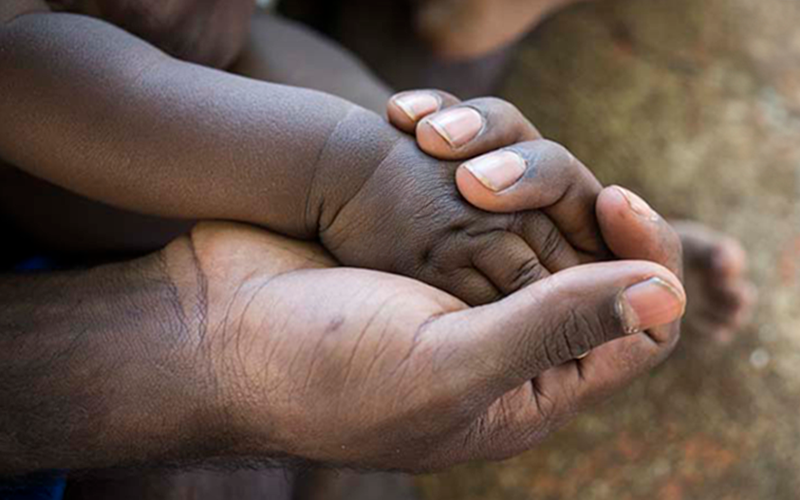
Experts are warning Aboriginal parents in Western Australia with newborn babies to be vigilant about Respiratory Syncytial Virus (RSV) as winter progresses.