
Search
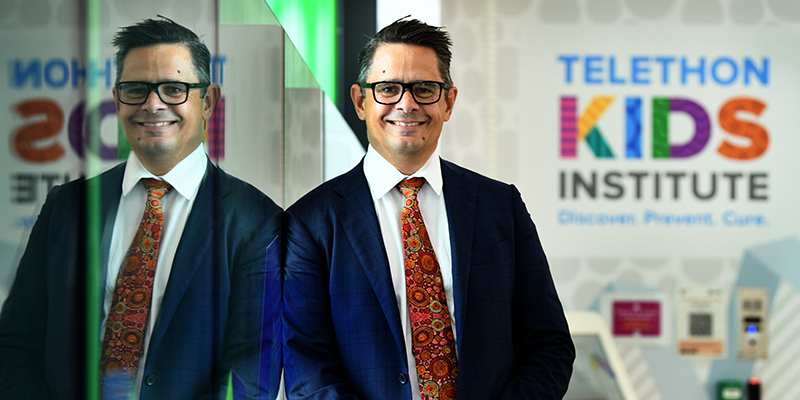
Former West Australian Treasurer, Hon Ben Wyatt, has accepted a position on the Board of WA’s leading medical research organisation, The Kids Research Institute Australia.
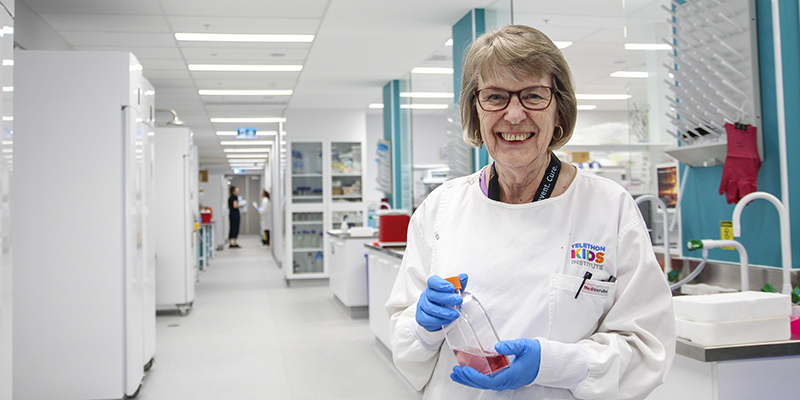
The Kids Research Institute Australia has farewelled one of its most treasured employees, with research officer Jette Ford closing the door on a quietly stellar 37-year career which has changed the face of cancer research in WA and around the world.
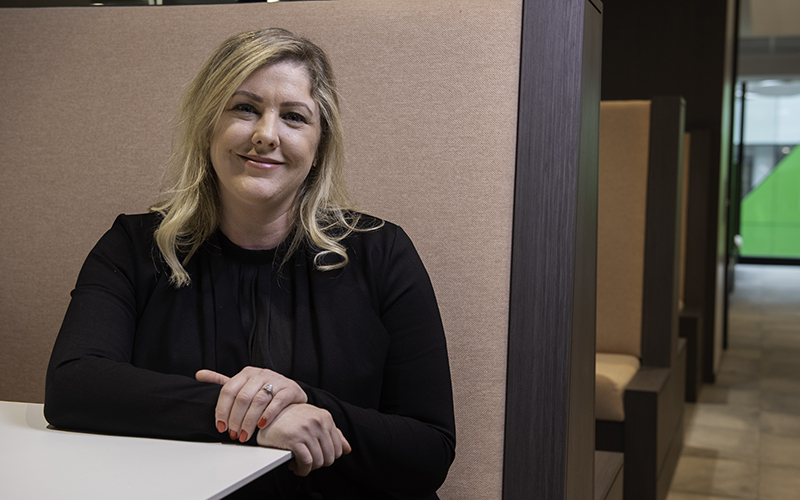
Congratulations to Associate Professor Rebecca Glauert, Head of the Developmental Pathways and Social Policy Team at The Kids Research Institute Australia and an internationally recognised expert in data linkage.

A global philanthropic organisation has backed an Australian-led bid to develop a Strep A vaccine which could save millions of lives around the world.
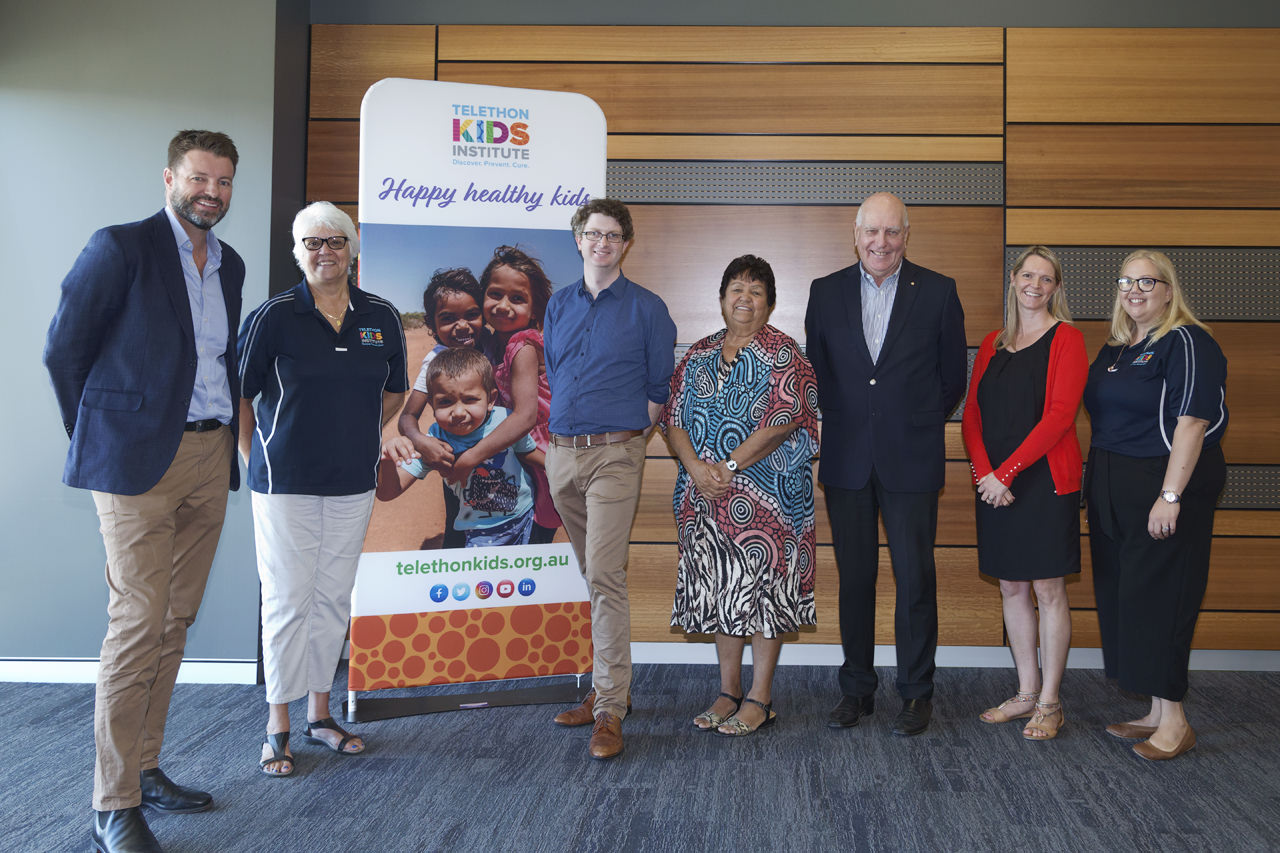
Every year 650,000 Australian children suffer from recurrent or chronic middle ear infections called otitis media (OM).

Plenty of parents will tell you the daily lunchbox dilemma is one thing they did not miss during the summer holidays – which stretched even longer due to WA’s hard lockdown.

Perth’s north-east is under threat from an out-of-control bushfire.
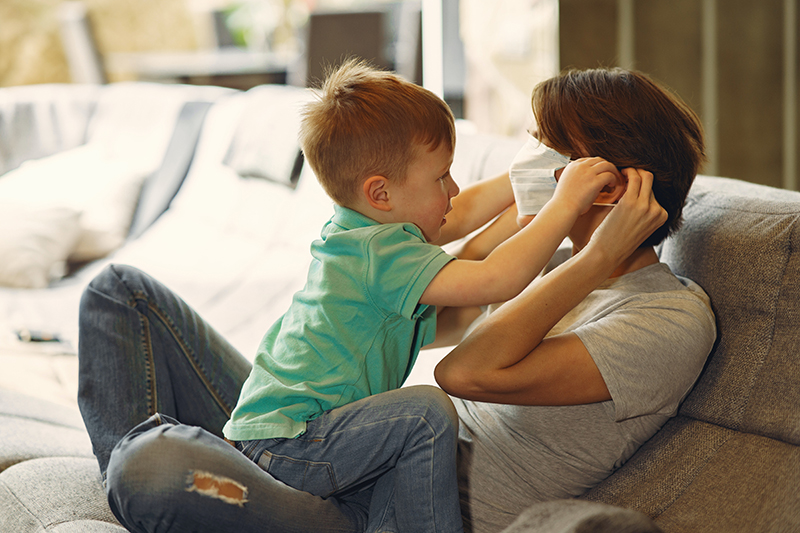
WA’s sudden lockdown has come as a shock to most of us. The Kids Research Institute Australia researcher and psychologist Dr Monique Robinson says parents should keep a close eye on their children who may be feeling anxious or disappointed as a result.
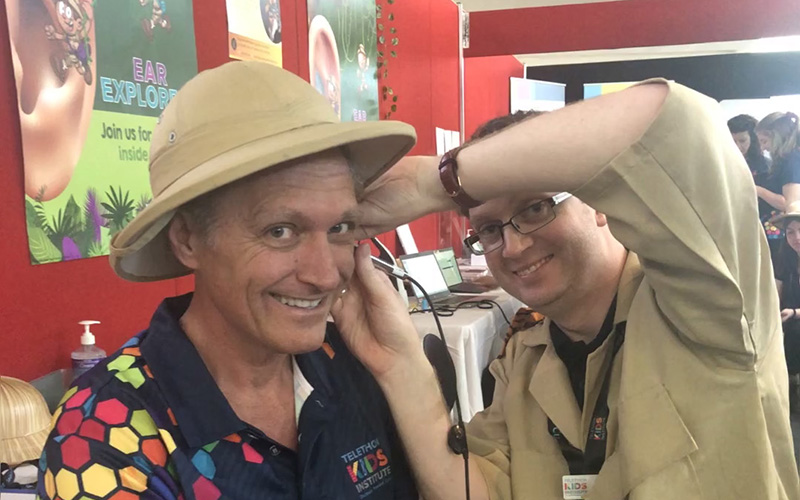
Findings from The Kids Research Institute Australia’s ‘Ear Explorers’ real-life research project undertaken as part of the 2019 Telethon weekend, found short videos were more helpful than photos when making a diagnosis.

Australian researchers who have conducted the first study looking at the direct health impacts of predicted carbon dioxide levels say the results are worrying and highlight the urgent need for more research into the issue.