
Search
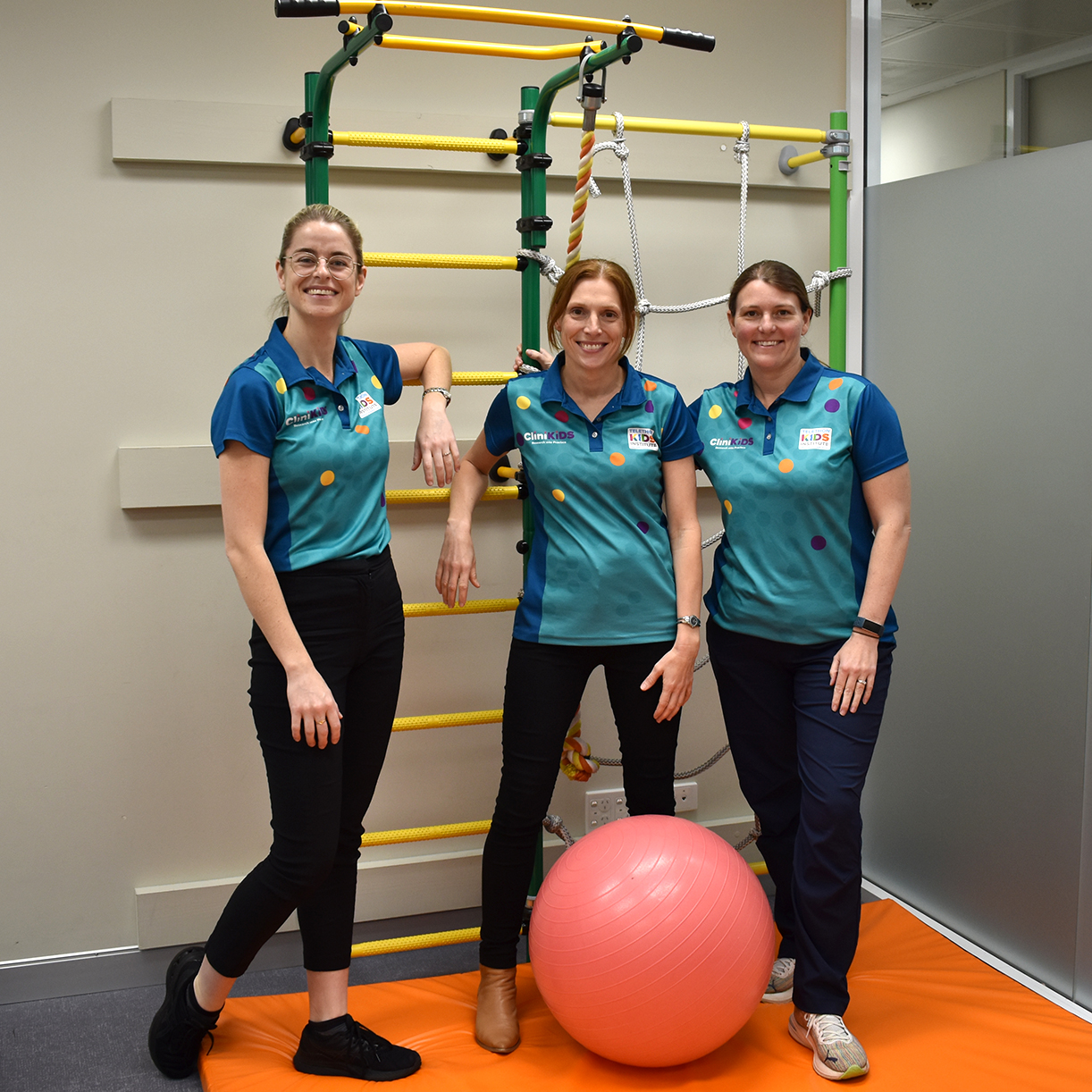
To celebrate World Occupational Therapy (OT) day, we asked our Occupational Therapists to describe what OT means to them.
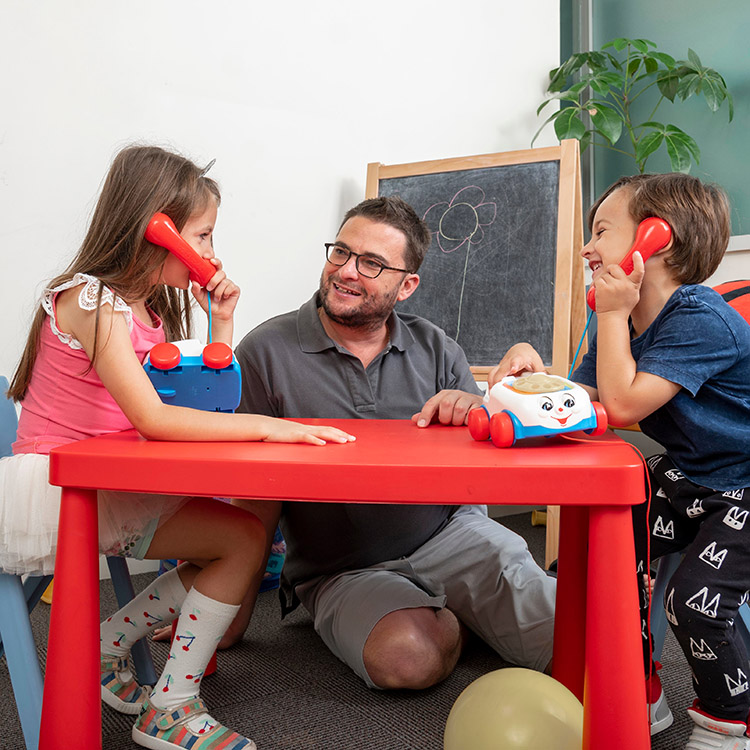
Our team is comprised of well experienced clinicians who can support your child and family.
By fundraising, you’re helping raise awareness and provide funds to support CliniKids and the work we do with autistic children. There are lots of ways to fundraise, online and offline.
Contact us If you have any questions about getting started, please contact our giving team. We're happy to help! +61 8 6319 1333 giving@thekids.org.au

Australia’s first national guideline for supporting the learning, participation and wellbeing of autistic children and their families.
There is emerging evidence that LEGO® therapy is an effective way of supporting younger autistic children develop their communication and social skills. LEGO® robotics therapy - which uses the principles of LEGO® therapy applied to LEGO® robotics - may be an age-appropriate intervention to reduce anxiety and increase social skills in autistic adolescents.
Brain development during the preschool period is complex and extensive and underlies ongoing behavioral and cognitive maturation. Increasing understanding of typical brain maturation during this time is critical to early identification of atypical development and could inform treatments and interventions.
Most support programmes for Autistic children are available only after they are diagnosed. Research suggests that parenting supports may be helpful for parents and their infants, when provided in the first 2 years of life - before a formal diagnosis is given, but when information suggests an infant is more likely to be Autistic. However, we do not know how acceptable these types of supports might be to the Autistic and autism communities.
To evaluate the participation difficulties experienced by children with developmental coordination disorder in home, school, and community environments.