
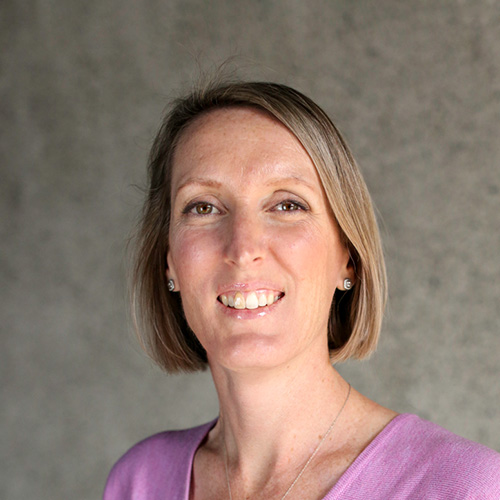
Alison McDonnell
Early Career Fellow
BSc (Hons), PhD
alison.mcdonnell@thekids.org.au
https://www.linkedin.com/in/alison-mcdonnell-a406a9160/Dr Alison McDonnell is a post-doctoral scientist with a research focus in cancer immunology. Following a PhD using preclinical models of cancer to investigate how an efficient and productive anti-tumour immune response is mounted and how chemotherapy can affect this process, Dr McDonnell undertook training in chemo-immunotherapy clinical trials for mesothelioma. This provided her with a unique translational perspective with expertise in both animal and human based laboratory science, immunology, and clinical trials.
Dr McDonnell currently runs a research program focussed on understanding how the immune system “sees”, “controls” and “attacks” cancer cells with a particular focus on tissue resident memory T cells. Dr McDonnell is now using her expertise in this field to understand the anti-tumour immune response in neuroblastoma with an aim to develop more effective and less toxic immune based therapies for this disease.
Find Dr McDonnell on ORCID.
Projects
Developing new immune based therapies for neuroblastoma
Neuroblastoma is a complex childhood cancer of the nerve cells and the most common solid tumour in children outside of the brain. The average age of diagnosis is 1-2 years and tragically 50% of children with high-risk neuroblastoma lose their battle within five years.
Tissue resident memory T cells: putting cancer cells to sleep and a target for therapy
Tissue resident memory T cells are cancer killing immune cells that have emerged as key players in immune-mediated control of solid cancers, as well as being markers of prognosis and predictors of response to immunotherapy.
Published research
Comparative analysis of malignant pleural effusion and peripheral blood reveals unique T cell signatures associated with survival in mesothelioma patients
The success of cancer immunotherapies has highlighted the importance of monitoring the anti-tumour T cell response. Patients with mesothelioma frequently present with a malignant pleural effusion (MPE) that is commonly drained regularly to alleviate symptoms. As MPE contains tumour cells, T cells and cytokines, it provides a unique opportunity to sample immune events at the tumour site.
Anti-metabolite chemotherapy increases LAG-3 expressing tumor-infiltrating lymphocytes which can be targeted by combination immune checkpoint blockade
Antibodies that target immune checkpoints such as cytotoxic T lymphocyte antigen 4, programmed cell death protein/ligand 1 are approved for treatment of multiple cancer types.
Education and Qualifications
- 2019 – Post-doctoral position at The Kids Research Institute Australia Cancer Centre, Western Australia
- 2009 - Post-doctoral training at the National Centre for Asbestos Related Diseases, Western Australia
- 2009 – Doctor of Philosophy: The role of tumour infiltrating dendritic cells in Cross-presentation of tumour antigen, University of Western Australia
- 2000 – Bachelor of Science Honours (Microbiology)
- 1999 – Bachelor of Science (Microbiology & Biochemistry), University of Western Australia
Awards/Honours
- 2022 - Cancer Australia New Investigator
- 2020 – Cancer Council of Western Australia Postdoctoral Research Fellowship
- 2016 – Raine Medical Research Foundation Priming Grant Fellowship
- 2009 – Best Presentation, Australian Society for Medical Research WA Symposium
- 2008 – Young Investigator WA Finalist, Thoracic Society of Australia and New Zealand
- 2005 – NHMRC Dora Lush Biomedical Research Scholarship
Active Collaborations
- “Developing new immune based therapies for neuroblastoma” with the Perth Children’s Hospital, PathWest, Westmead Children’s Hospital Tumour Biobank
- “Investigating the prognostic potential of tissue resident memory T cells in malignant pleural effusion” with the National Centre for Asbestos Related Diseases and the Institute for Immunology and Infectious Diseases, Perth, Western Australia
- “Novel insights into immune control of dormant tumours” with the University of Western Australia, Sir Charles Gairdner Hospital and St John of God Hospital Subiaco, Western Australia
- Western Australian Single Cell Consortium